
Beersheba
The capital of the Southern District
Listen to the city, in Hebrew
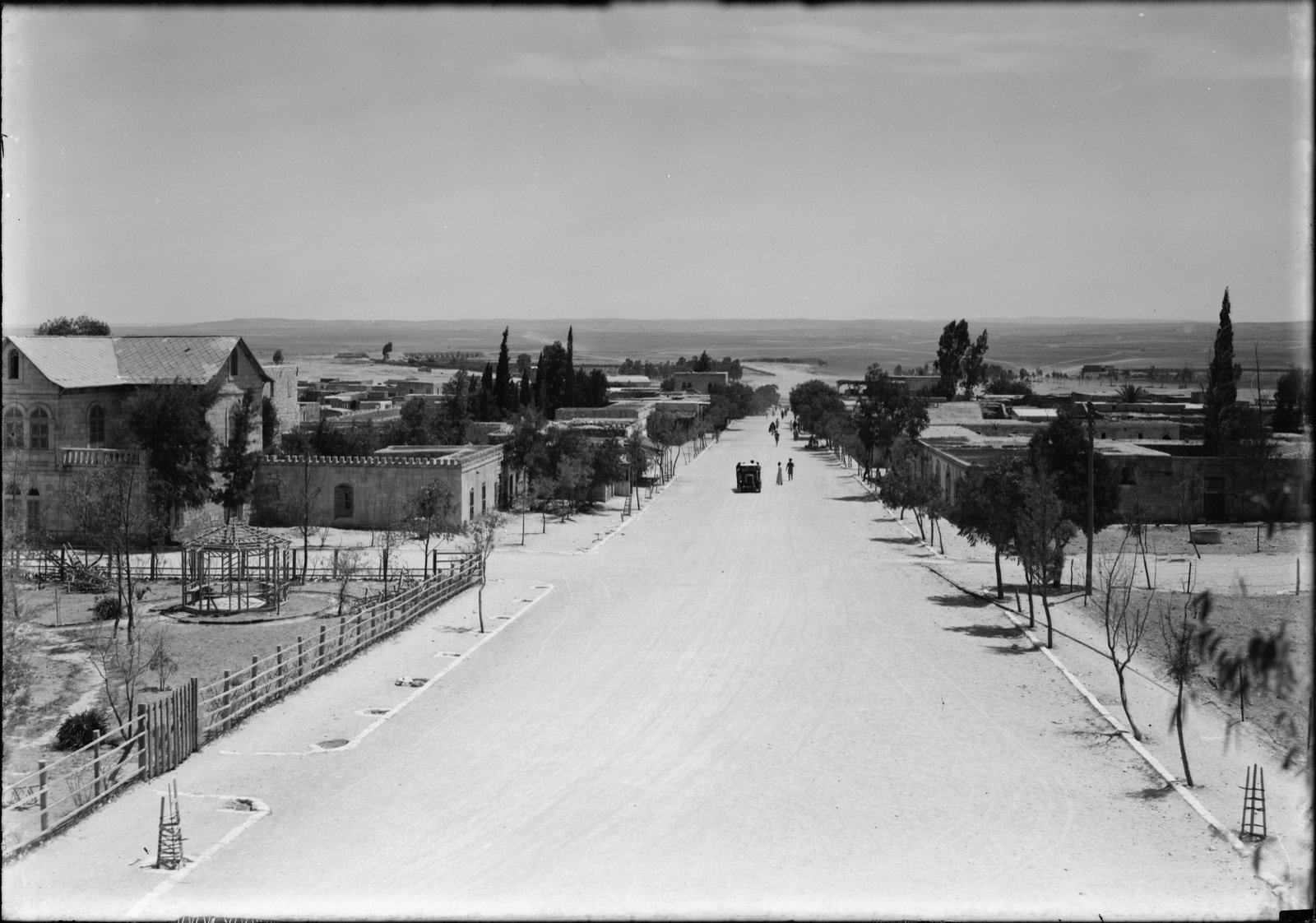
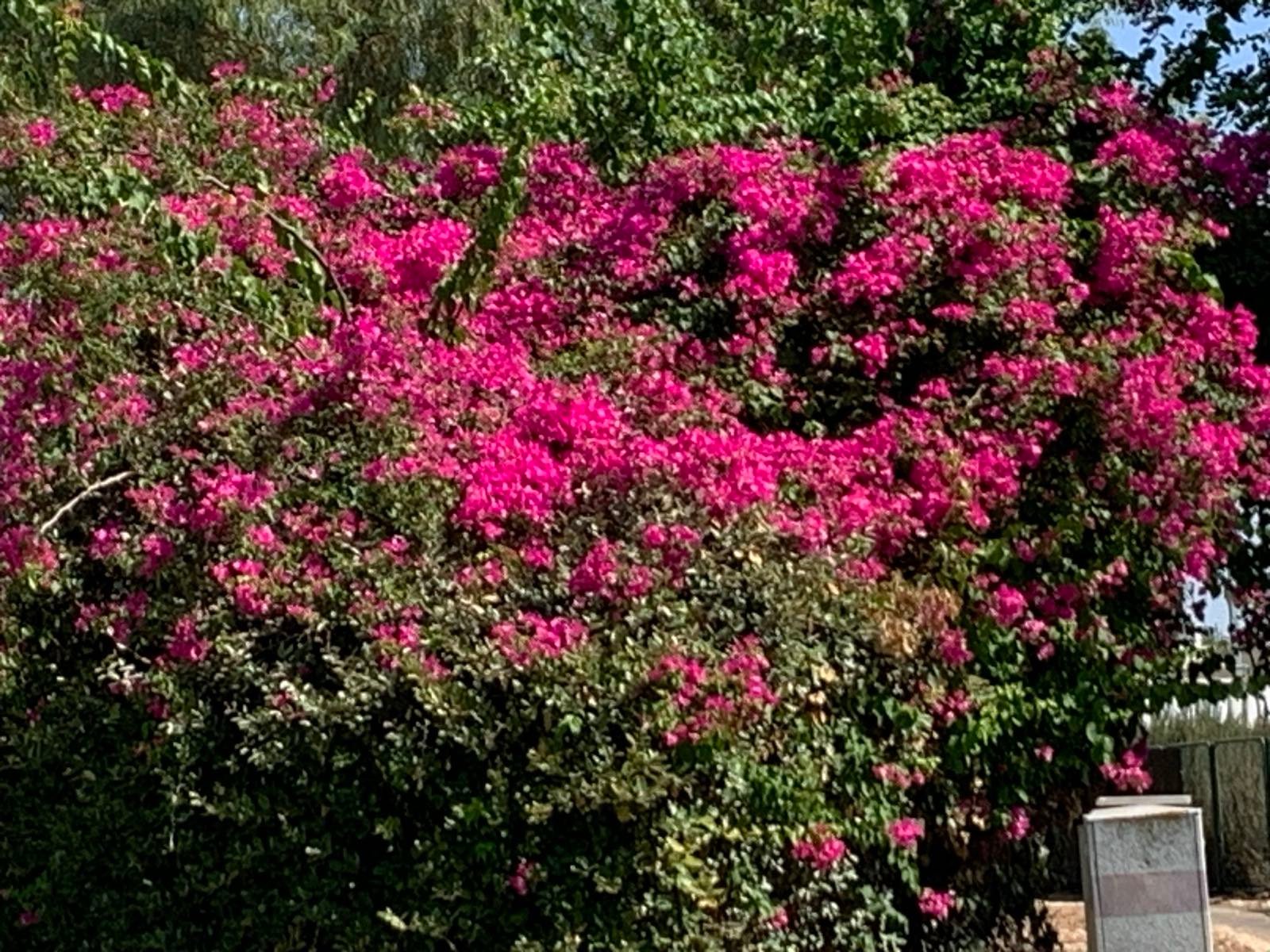
Then and now
More photographs
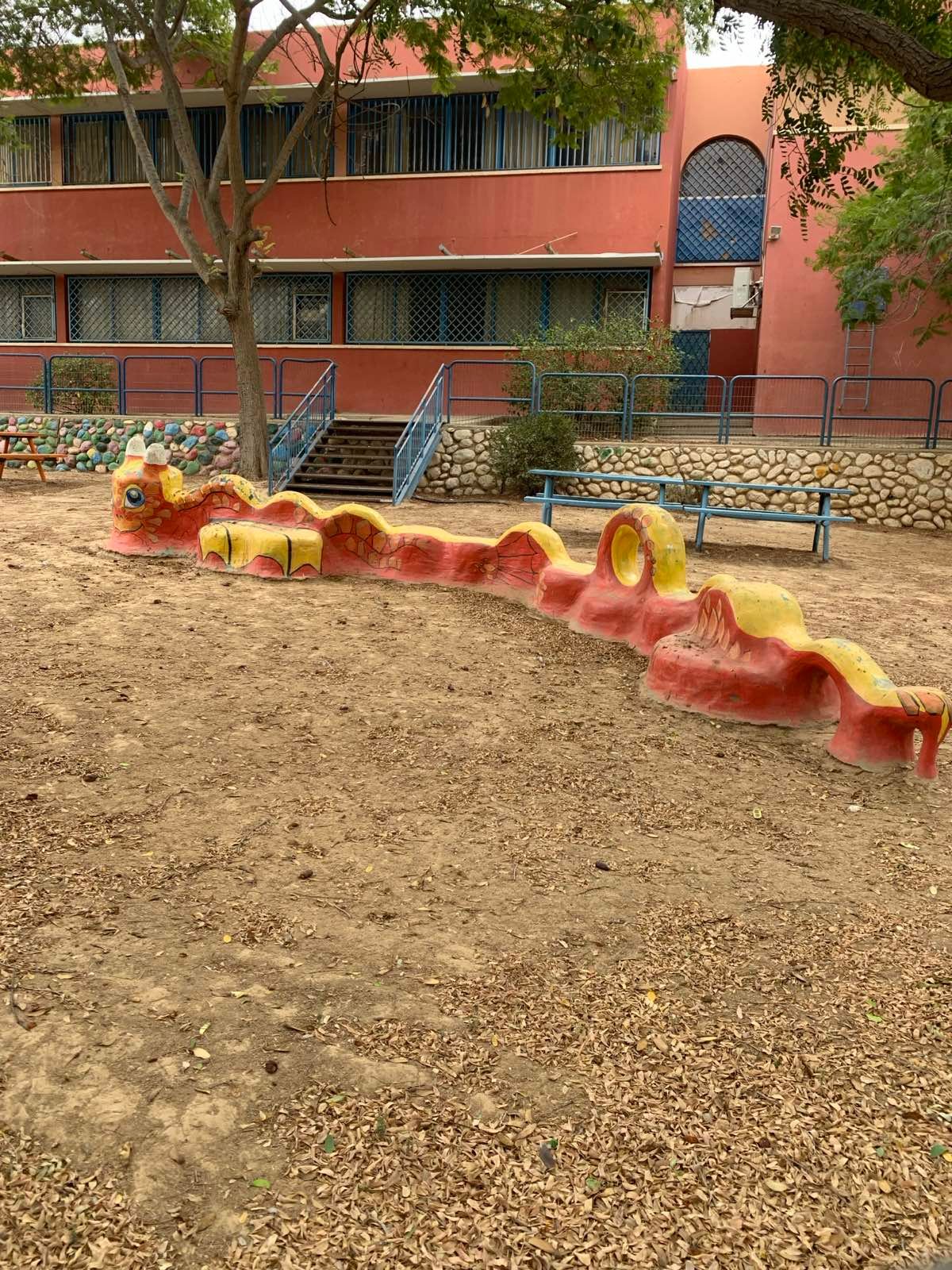
Scripture
Tanakh
עַל־כֵּן קָרָא לַמָּקוֹם הַהוּא בְּאֵר שָׁבַע כִּי שָׁם נִשְׁבְּעוּ שְׁנֵיהֶם
Wherefore that place was called Beer-sheba; because there they swore both of them.
Tanakh
וַיִּקְרָא אֹתָהּ שִׁבְעָה עַל־כֵּן שֵׁם־הָעִיר בְּאֵר שֶׁבַע עַד הַיּוֹם הַזֶּה
And he called it Shibah. Therefore the name of the city is Beer-sheba unto this day.
The story
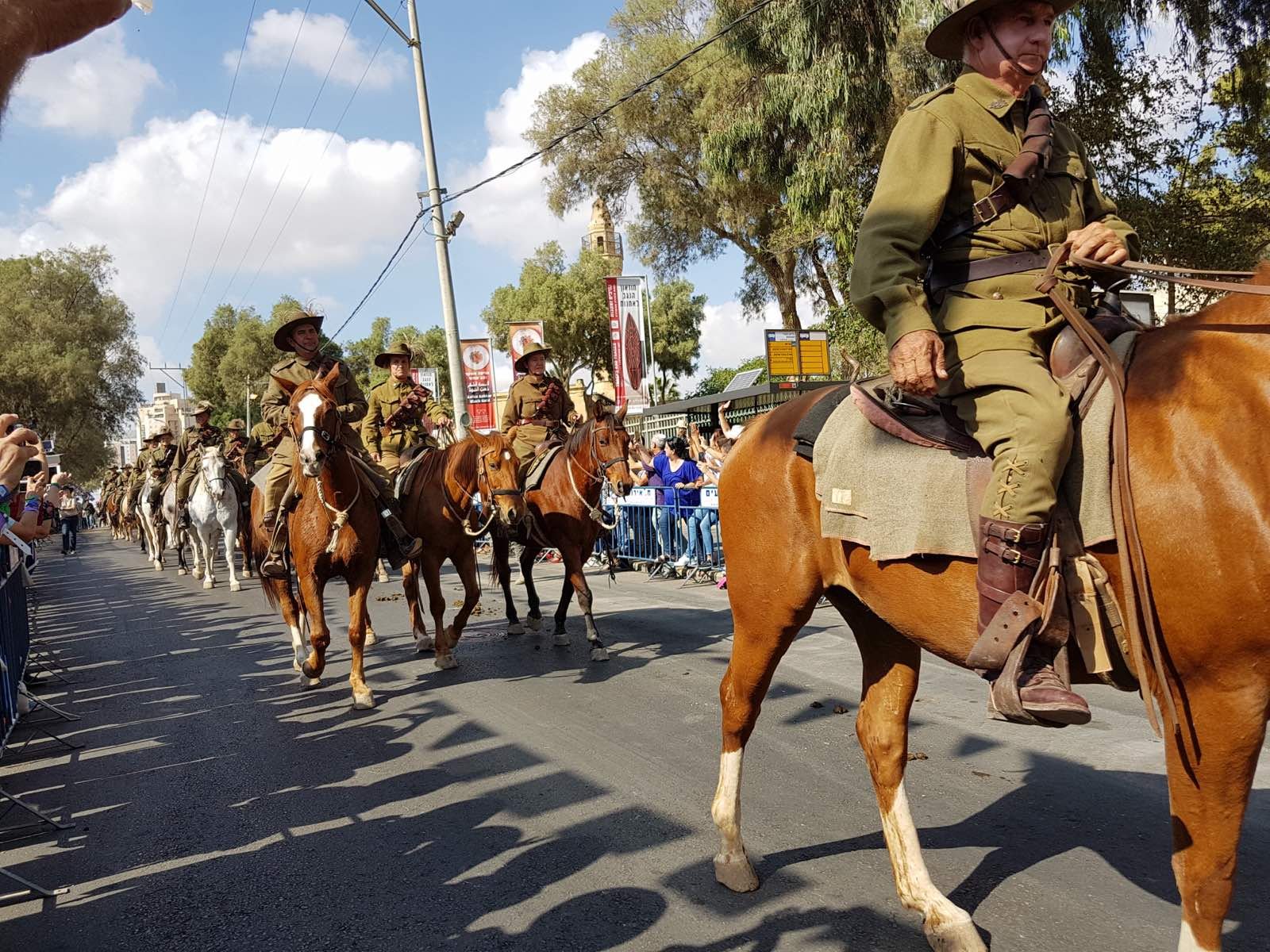
Beersheba is the capital of the Southern District, and is sometimes called the capital of the Negev. It is the ninth city in Israel by population, and its municipal area — 117,500 dunams — is the fourth largest in the country. It was declared a city in 1906, and it is the only city that was planned and founded by the Ottoman Empire in all four hundred years of its rule in the Land of Israel. But settlement here is far older: the first settlement was in the fourth millennium BCE, in three villages on the banks of Nahal Be'er Sheva, in which were found the earliest ivory works made in the Levant. In the Iron Age two settlements existed here — “Sheva” on the tel, and “Be'er Sheva” between the Bedouin market and the northern bank of the stream. The Bible links the name of the city to the well and to the oath sworn over it, once with Abraham and once with Isaac, and by virtue of the connection to the three patriarchs it is also called the City of the Patriarchs. In the Roman and Byzantine periods an army camp stood here and at least six churches around it; in the second half of the eighth century the city was abandoned, and it remained abandoned until about the year 1900. The Ottomans chose the location on the boundary between the three large Bedouin tribal confederations of the Negev, at a place where the groundwater is high. On 31 October 1917 it fell in the Battle of Beersheba to the forces of General Allenby; on 21 October 1948 the IDF entered it in Operation Moshe. From 1952 it was built according to the plan of Arieh Sharon, in neighborhoods each of which is gathered around a commercial center. Soroka was inaugurated in 1960, the university in 1970, and in the 1990s the city almost doubled itself with the immigration from the former Soviet Union.
Read onPerhaps this too
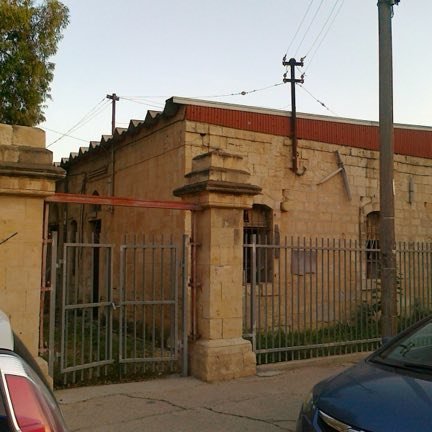
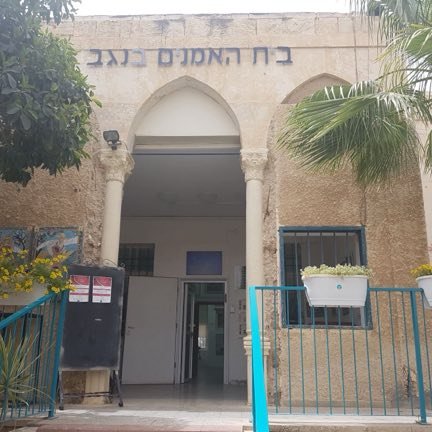
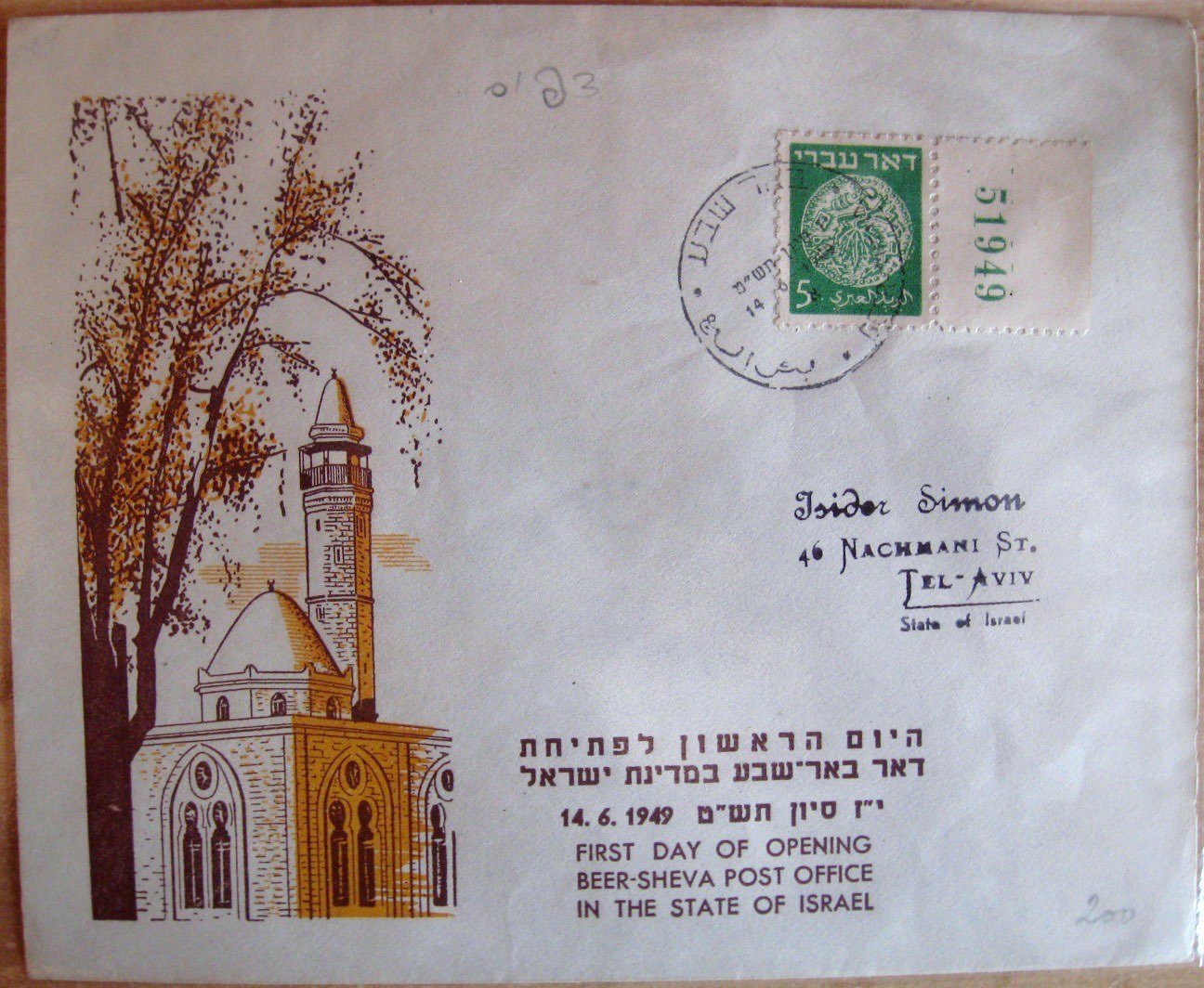
At the place itself the stamp also gets a postmark with the date.
Sources
- באר שבע — ויקיפדיה העברית Accessed 2026-08-12
- באר שבע (Q80512) — Wikidata Accessed 2026-08-12
- The Holy Scriptures According to the Masoretic Text — Jewish Publication Society, Philadelphia 1917 (public domain; source of the English gloss on the Tanach verses) Accessed 2026-08-13
- Beersheba — English Wikipedia (1922 census of Palestine: 2,356 — 2,012 Muslims, 235 Christians, 98 Jews, 11 Druze; 1931 census: 2,959) Accessed 2026-08-13
- الكتاب المقدس — الترجمة العربية لسميث وفان دايك، بيروت ١٨٦٥ (ملك عام؛ مصدر الشرح العربي لآيات التناخ) Accessed 2026-08-14
- Библия. Синодальный перевод, 1876 (общественное достояние; источник русского перевода стихов Танаха) Accessed 2026-08-14
- La Santa Biblia — Reina-Valera, revisión de 1909 (dominio público; fuente de la glosa española de los versículos del Tanaj) Accessed 2026-08-14
- João Ferreira de Almeida, «A Bíblia Sagrada, contendo o Novo e o Velho Testamento», Londres, R. e A. Taylor, 1819 (domínio público; fonte da glosa portuguesa dos versos da Tanach) — Wikisource Accessed 2026-08-14
Photographs
- American Colony Photo Department / Matson Photo Service — Library of Congress Domínio público
- علاء كيفك CC0
- Holyland2026 CC BY-SA 4.0
- Atzmonit CC BY-SA 4.0
- علاء كيفك CC0


