

Synagogue of the Immigrants from Persia, named Eretz Kdusha
The synagogue “Olei Paras, named Eretz Kdusha” stands at 13 Shabazi Lane
The story
The synagogue “Olei Paras, named Eretz Kdusha” stands at 13 Shabazi Lane, in Neighborhood Alef of Beersheba, and is listed in the register of synagogues of the city's Religious Council. In that same lane, at number 9, stands the Shabazi synagogue — one of the two Yemenite synagogues of the city. One lane, and in it a house of those who came from Yemen and a house of those who came from Persia. Iranian Jewry, which is also called Persian Jewry, is among the large Jewish communities remaining in Asia. Some place the presence of the children of Israel in Persia as early as the beginning of the eighth century BCE, in the exile of the Kingdom of Israel; in the year 538 BCE Cyrus king of Persia gave the declaration that made possible the return of the exiles of Babylon to the Land of Israel, and the Scroll of Esther describes the life of the Jews in Persia under the rule of Ahasuerus. According to tradition the tomb of Daniel and the tombs of Mordechai and Esther are in Iran. Today the community in Iran numbers about nine thousand Jews, and it is the second largest in the Middle East after Israel; the estimate of those who came from the community around the world stands at more than three hundred thousand, and most of them are in Israel. The gabbai listed in the register of the Religious Council is David Cohen.
Read onPerhaps this too
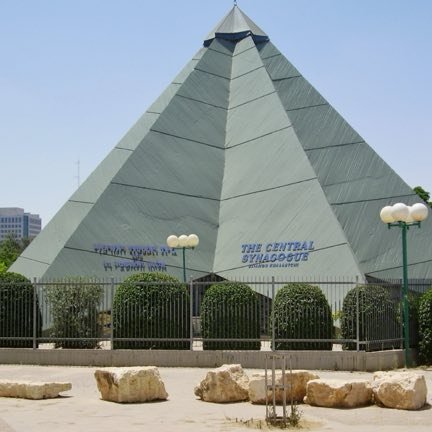

At the place itself the stamp also gets a postmark with the date.
Sources
- עולי פרס ע"ש ארץ קדושה — רשימת בתי הכנסת של המועצה הדתית באר שבע (nome, morada סימטת שבזי 13, gabbai e a coordenada da ficha) Accessed 2026-08-13
- יהדות איראן — ויקיפדיה העברית Accessed 2026-08-13
- שבזי — רשימת בתי הכנסת של המועצה הדתית באר שבע (a outra congregação da mesma viela, no número 9) Accessed 2026-08-13
- מאגר עמותות וחברות לתועלת הציבור — רשם העמותות, משרד המשפטים (data.gov.il). Consultado por filtro כתובת-ישוב=באר שבע: 1.248 associações, 168 com תחום פעילות משני=בתי כנסת Accessed 2026-08-13
Photographs
- Created with artificial intelligence