
The Negev Museum of Art
Located in the Old City of Beersheba
Then and now
More photographs
The story
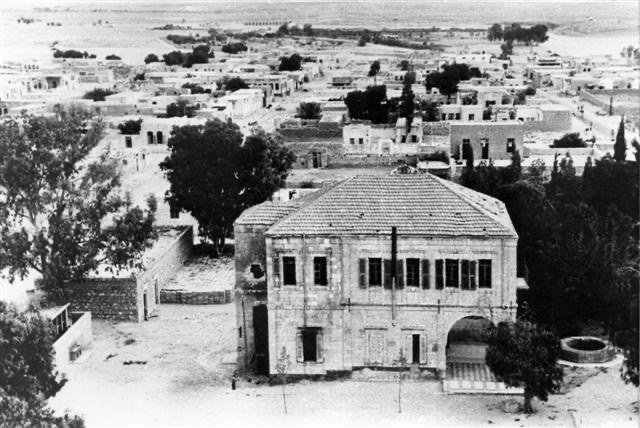
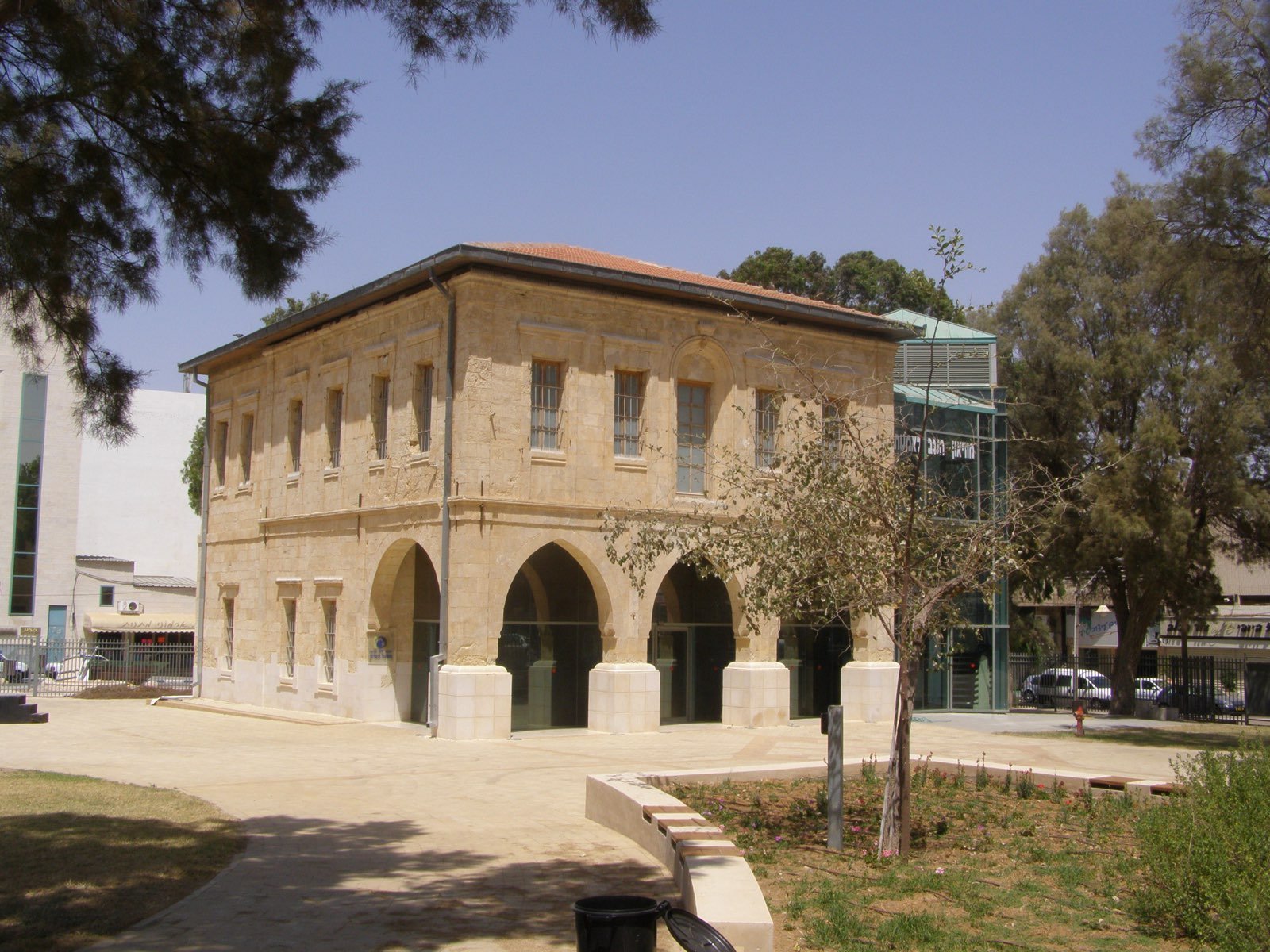
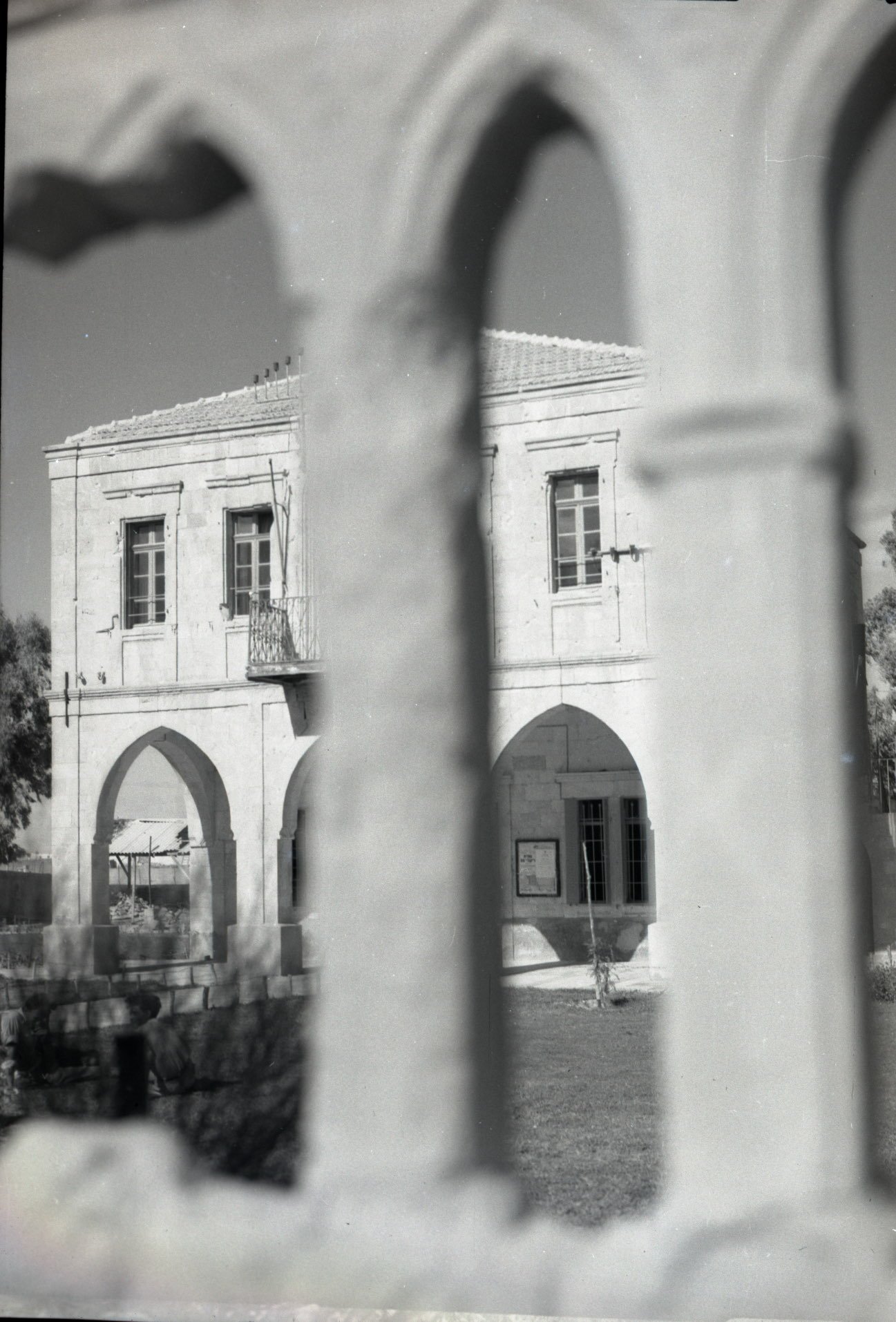
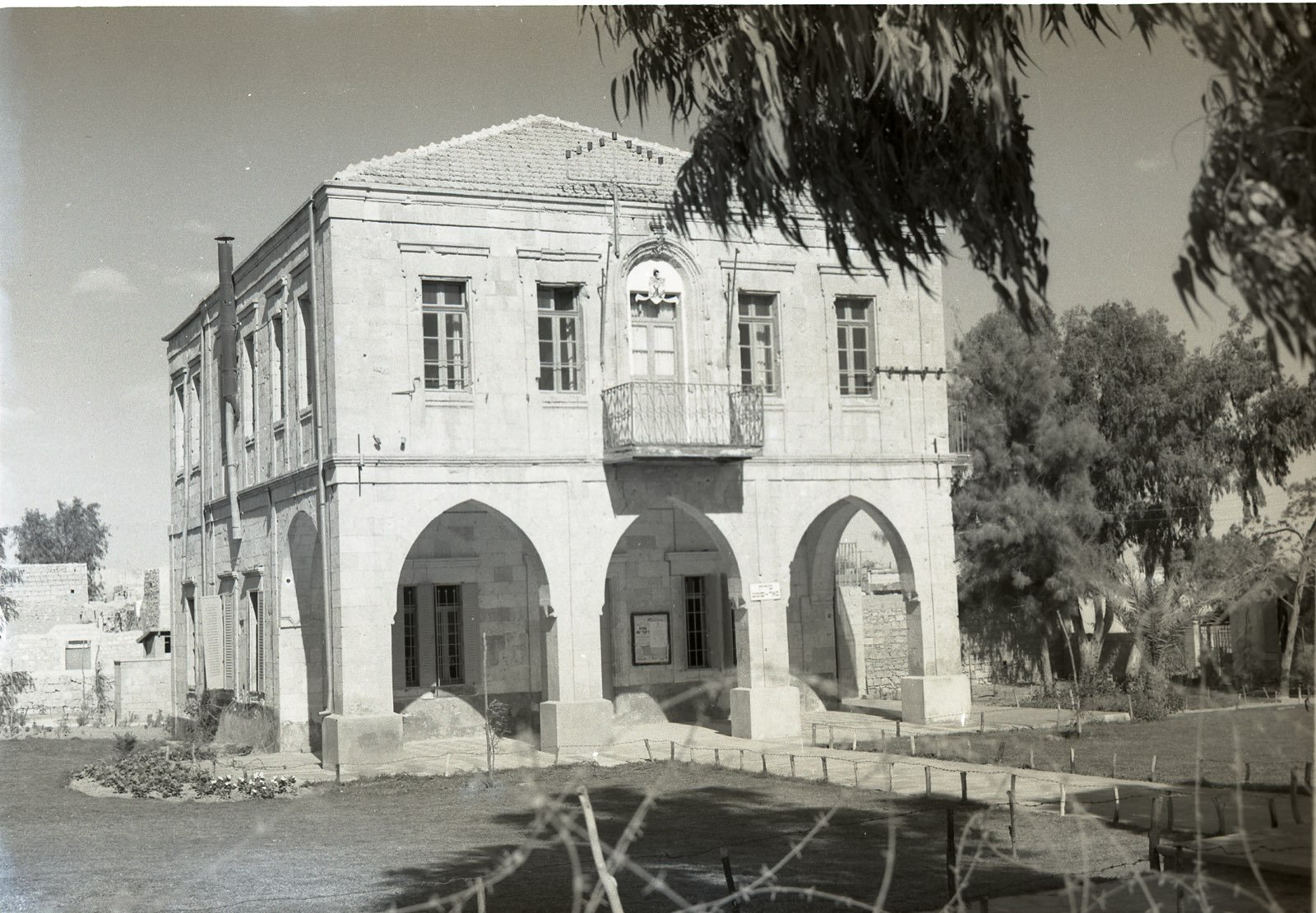
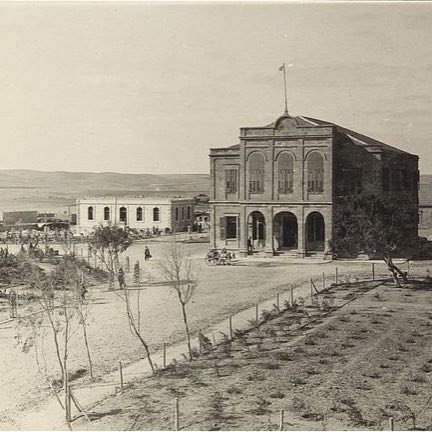
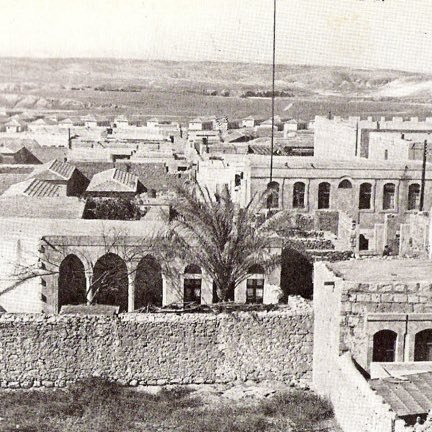
The Negev Museum of Art is located in the Old City of Beersheba, at 60 Ha-Atzmaut Street, in the building called the governor's house. The house was built in 1906 and served the Ottoman governor, as part of a group of government buildings that also included the Saraya House and the Great Mosque. It is of two floors, and its front is adorned with a portico of three pointed arches; its interior is typical of a building of the konak type, the house of a governor in which official receptions are also held. After the First World War the building served as a residence for a British staff officer, and in 1938 it was converted into a school for Bedouin girls. After the IDF entered the city in the War of Independence the building served the army, and from 1950 it was the first city hall of Beersheba; at the beginning of the 1970s the municipality's offices moved out of it. In 1987, after years in which it stood abandoned and ruined following a fire, it opened for the display of art, and in that same year it was declared a recognized museum under the Museums Law. In 1998 it was declared a building in danger of collapse and was closed to the public, and in the years 1999 to 2003 it underwent conservation and restoration by the conservation department of the Israel Antiquities Authority and the architect Ze'ev Gur — the first historic building in Beersheba to undergo conservation according to the new regulations. The museum reopened in January 2004 and it presents changing exhibitions, mainly Israeli art. It shares a compound with the Museum of Islamic and Near Eastern Cultures, which is located in the building of the Great Mosque.
Read onPerhaps this too
At the place itself the stamp also gets a postmark with the date.
Sources
- מוזיאון הנגב לאמנות — ויקיפדיה העברית Accessed 2026-08-10
- The Negev Museum of Art (Q1846603) — Wikidata Accessed 2026-08-10
- File:Beersheba, Negev Art Museum 01.jpg — Wikimedia Commons Accessed 2026-08-10
- OpenStreetMap — node/1201792460 (מוזיאון הנגב, tourism=museum, wikidata=Q1846603) Accessed 2026-08-11

Photographs
- Daniel Baránek CC BY-SA 3.0
- Benno Rothenberg, אוסף מיתר — הספרייה הלאומית CC BY 4.0
- Benno Rothenberg, אוסף מיתר — הספרייה הלאומית CC BY 4.0
- צלם לא ידוע Public domain


