
David Tuviyahu Boulevard
One of the two main traffic axes of Beersheba
More photographs
The story
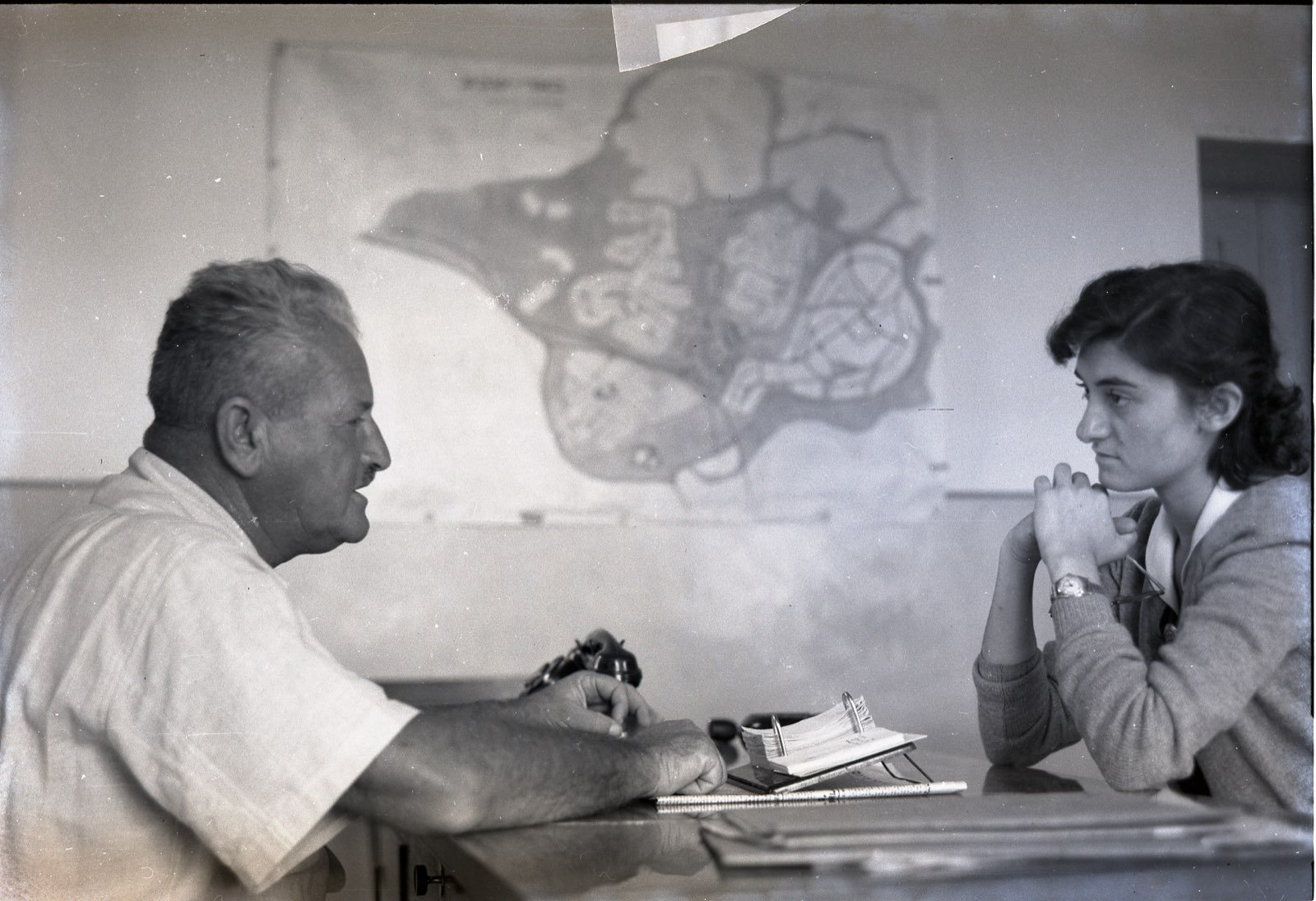
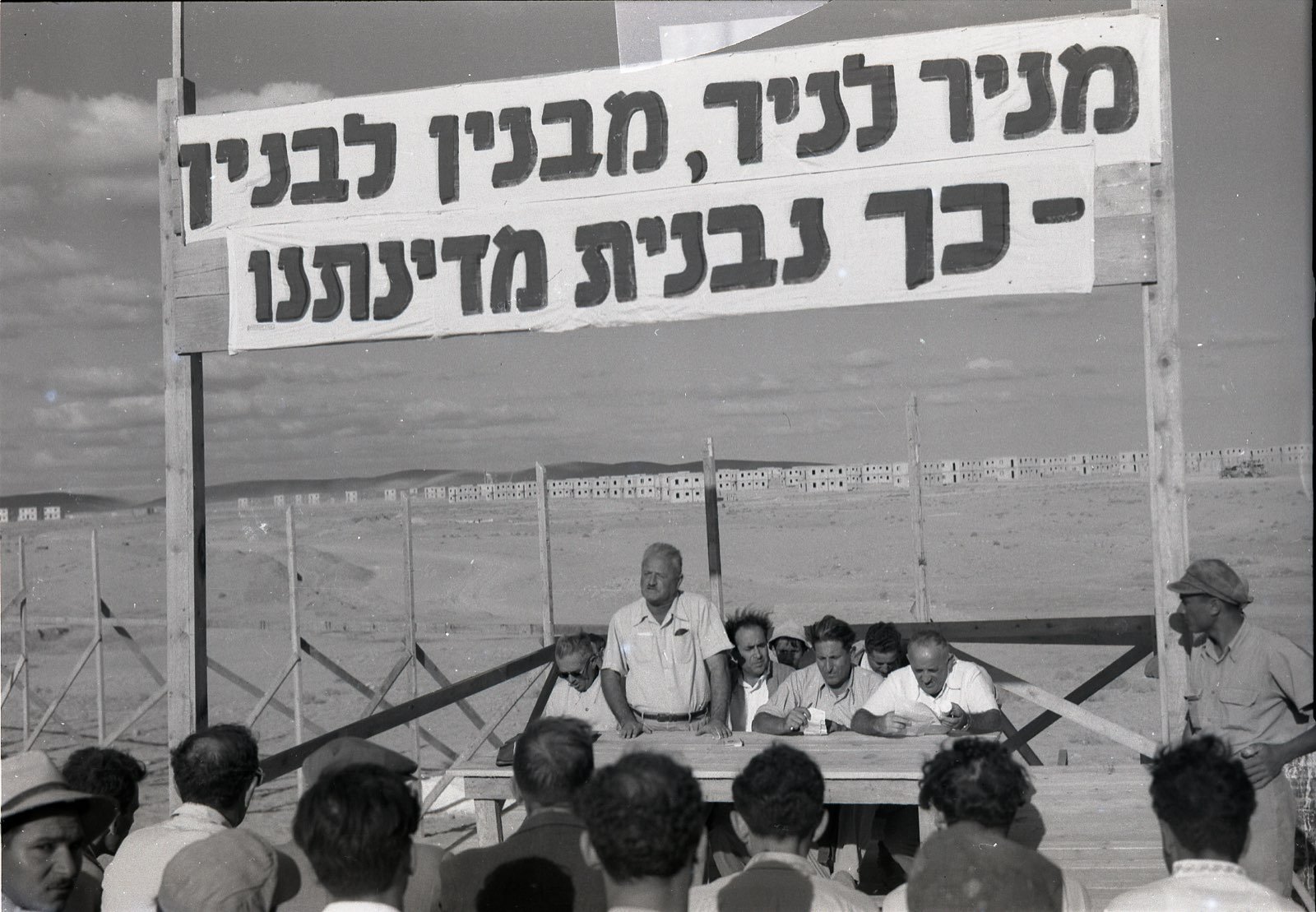
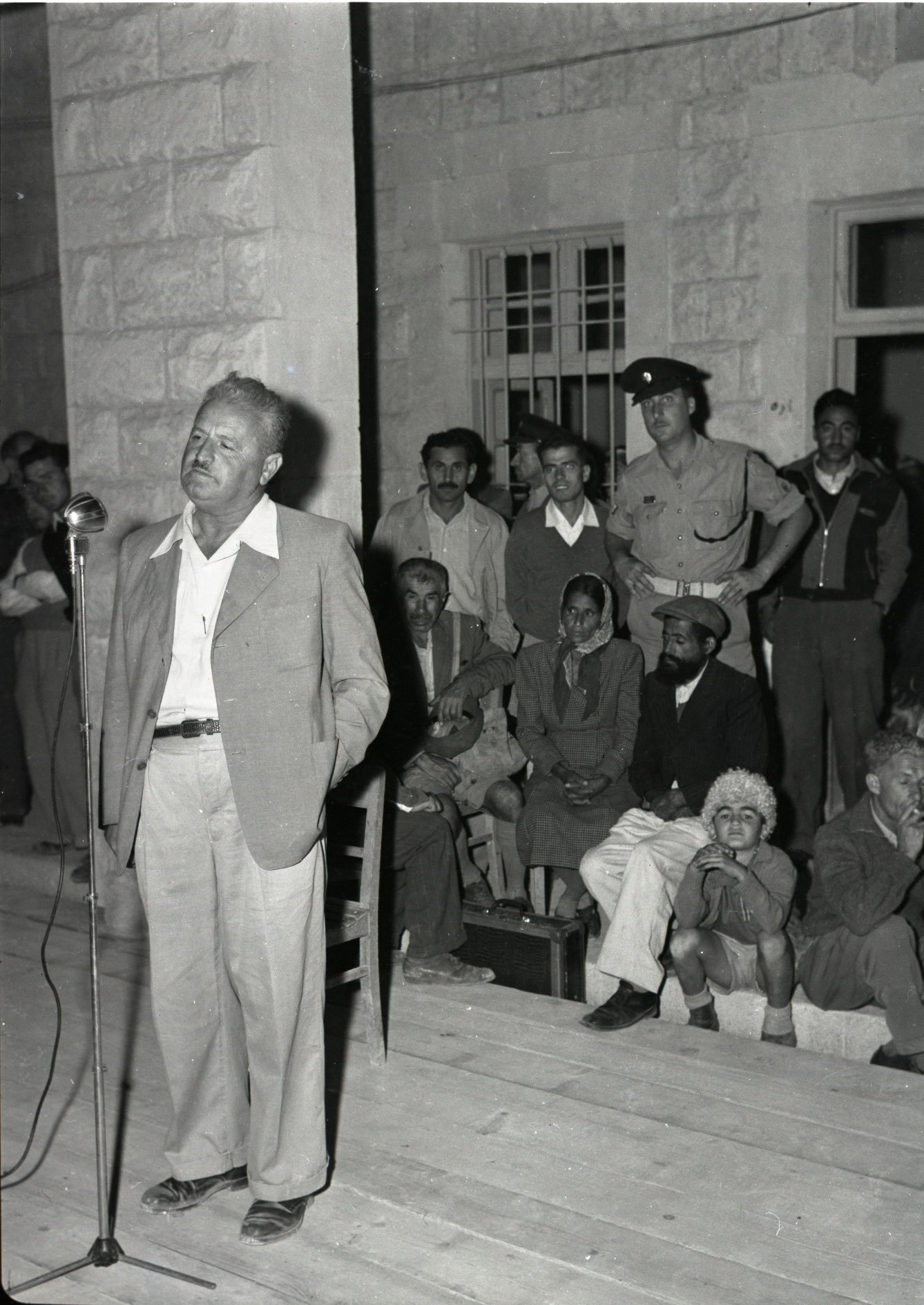
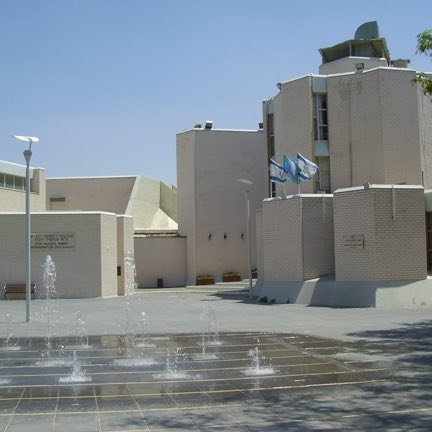
David Tuviyahu Boulevard is one of the two main traffic axes of Beersheba, and Route 25 passes along it. It extends over about six kilometers in the south of the city and in its west, and at the eastern end it meets Rager Boulevard at the Eli Cohen junction. That is, the two great axes of the city bear the names of two mayors, and they touch one another. David Tuviyahu (20 November 1898 – 16 November 1975) was the first mayor of Beersheba after the founding of the state. He was born by the name Yosef Taube in Zholkiev, in eastern Galicia, then in the Austro-Hungarian Empire; in 1917 he began to study law and political science at the University of Lemberg, in 1920 he immigrated to the Land of Israel and at first engaged in building and in the laying of roads in the Galilee. At the end of 1948, at the request of David Ben-Gurion, he came to Beersheba and stood at the head of the appointed council, and at the same time managed “Solel Boneh” in the south of the country. In February 1950 he was appointed to the head of the municipality. In the years of his term the infrastructures of water and of electricity were laid in the city, housing estates were built and roads were paved. A considerable part of his time and of his attention he devoted to the children of the city and to their education, and he initiated the building of many schools. On his retirement from the head of the municipality in 1961 he devoted the main of his energy to the establishment of the “Institute for Higher Education in the Negev”, which in time became Ben-Gurion University of the Negev, and in 1971 he had the merit of laying the cornerstone of its new campus. In 1964 he received the honorary citizenship of the city, and in 1973 the title of “honorary fellow” on behalf of the university. He died in Beersheba, the city where he lived, and was buried in the moshav Yarkona. His name recurs in the city in several places: this axis, a comprehensive high school, Kiryat Tuviyahu of the university, and the Archive for the History of Beersheba and the Negev that is inside it.
Read onPerhaps this too
At the place itself the stamp also gets a postmark with the date.
Sources
- דוד טוביהו — ויקיפדיה העברית (as datas de vida, o nome de nascimento יוסף טאובה e Zhovkva na Galícia oriental, os estudos em Lemberg em 1917, a aliá de 1920, a chegada a Beer Sheva no fim de 1948 a pedido de Ben-Gurion, a presidência do conselho nomeado e a direção da Solel Boneh no sul, a nomeação em fevereiro de 1950, as infraestruturas de água e eletricidade, os shikunim, as escolas, a saída em 1961 e o instituto que viria a ser a universidade, a primeira pedra de 1971, a cidadania de honra de 1964, o «עמית כבוד» de 1973, a morte em Beer Sheva e o enterro em ירקונה, e a frase de que «um dos eixos de trânsito principais da cidade tem o seu nome») Accessed 2026-08-14
- OpenStreetMap — as 60 vias com o nome exato «שדרות דוד טוביהו» dentro do perímetro de Beer Sheva, com `ref=25` (e `ref=25;406` no troço partilhado). A coordenada desta ficha é o centro geométrico dos 307 nós dessas vias, e a extensão medida entre extremos é de 6.150 m Accessed 2026-08-14
- שדרות רגר — ויקיפדיה העברית (o cruzamento אלי כהן como o encontro da avenida Reger com a estrada 25, que é esta avenida; o encontro foi confirmado no OSM, onde as duas avenidas partilham quatro nós em 31,2437/34,7935) Accessed 2026-08-14
- בית היאס — ויקיפדיה העברית (קריית טוביהו como campus da universidade, que é o que sustenta a última frase) Accessed 2026-08-11
Photographs
.jpg)
.jpg)
.jpg)