
Yeruham
Stands in the Yeruham valley
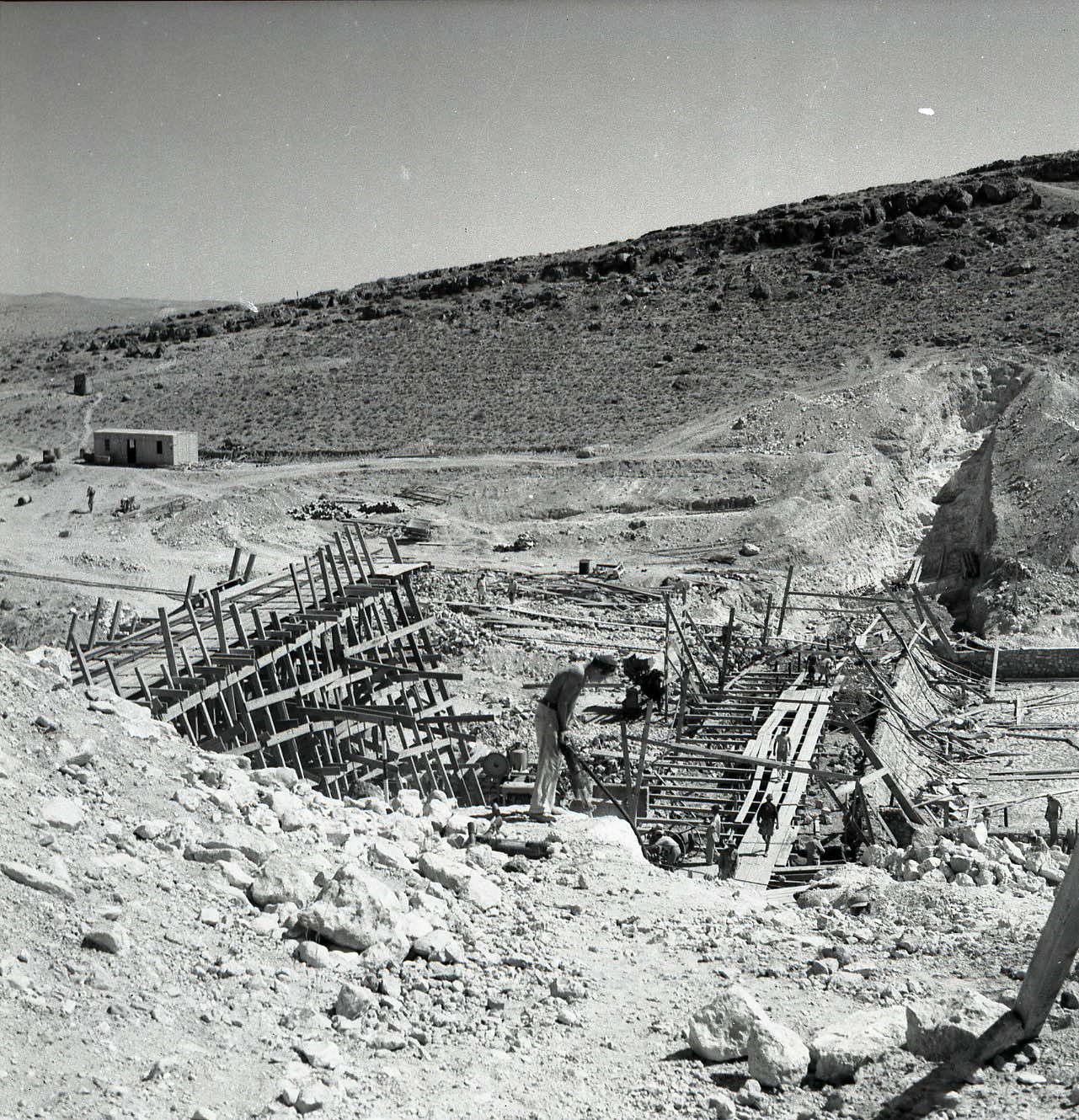
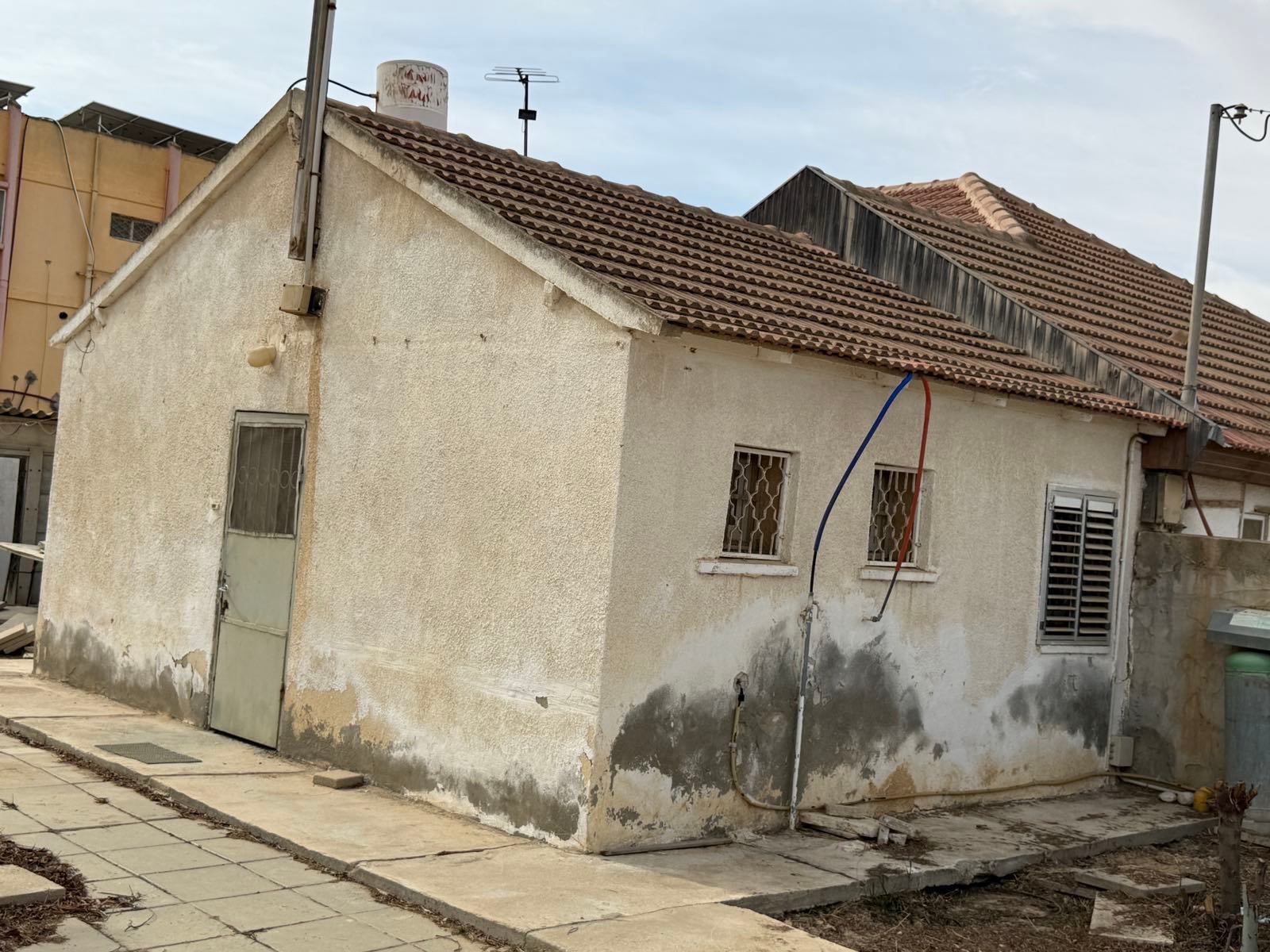
Then and now
More photographs
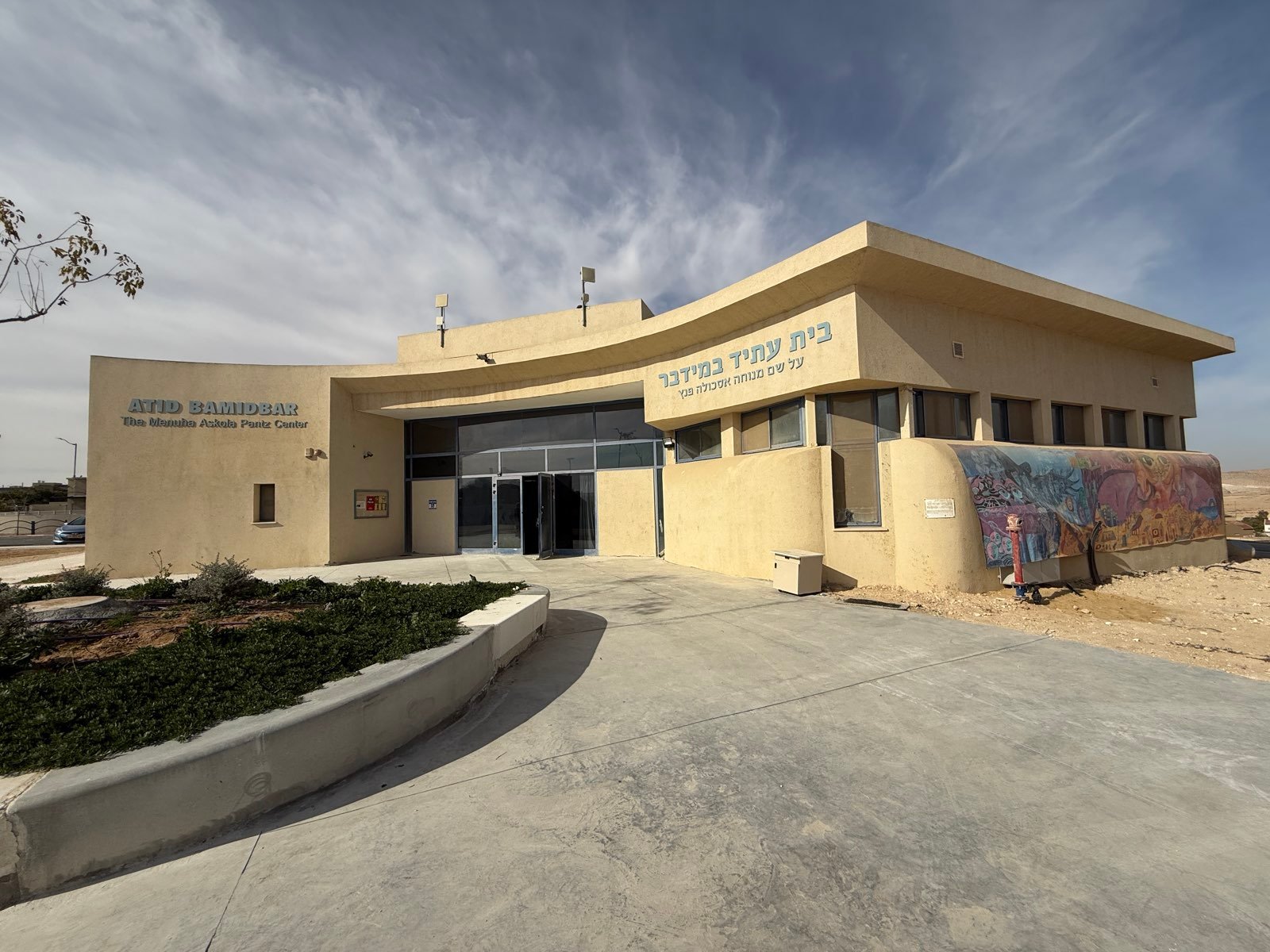
The story
Yeruham stands in the Yeruham valley, about eleven kilometers southwest of Dimona and about twenty-seven southeast of Beersheba. The Jewish settling here began on 4 Shevat 5711, 1951, when Amnon Zair from Kibbutz Gan Shmuel set up at the place a transit camp for immigrants from Romania, which was called Tel Yeruham and afterwards Kfar Yeruham. The founding was made on the initiative of the Agency; about two thirds of the immigrants who arrived saw the place as a remote spot and left. A year later Shlomo Tamir from Kibbutz Tel Yosef replaced Zair as director of the transit camp, and in 1953 Tamir wrote to the institutions: "Tel Yeruham must either be built or liquidated. A stillborn locality is not to be maintained". Following this an ice plant and a library were set up here. Six years after the founding, immigrants from Morocco, from Persia and from India joined — mainly from the Bene Israel community — and together with those from Romania they created a varied locality. At the head of the locality stood Pinhas Maanit, one of the founders of Nahalal, who moved here with his family. The transit camp was set up near the oil road, in an area in which the Bedouin of the al-Azazma tribe wandered, part of whose people live today in Rakhma. In 1959 the transit camp was dismantled, and in its place a permanent locality was set up which was declared a local council. In 1962, when about one thousand seven hundred residents lived here, the name of the locality was changed to Yeruham, and two years later another transit camp was set up and almost three thousand residents were added. In 1965 the Arava road was opened and diverted the traffic to Eilat away from here, and at the end of the decade the road between Beersheba and Mitzpe Ramon was opened: Yeruham remained outside the main transport axes.
Read onPerhaps this too

At the place itself the stamp also gets a postmark with the date.
Sources
- ירוחם — ויקיפדיה העברית Accessed 2026-08-14
- Wikidata Q1687708 — coordenada e ano Accessed 2026-08-14
Photographs
- שלמה רודד, PikiWiki CC BY 2.5
- שלמה רודד, PikiWiki CC BY 2.5
- Benno Rothenberg, אוסף הספרייה הלאומית CC BY 4.0


.jpg)