
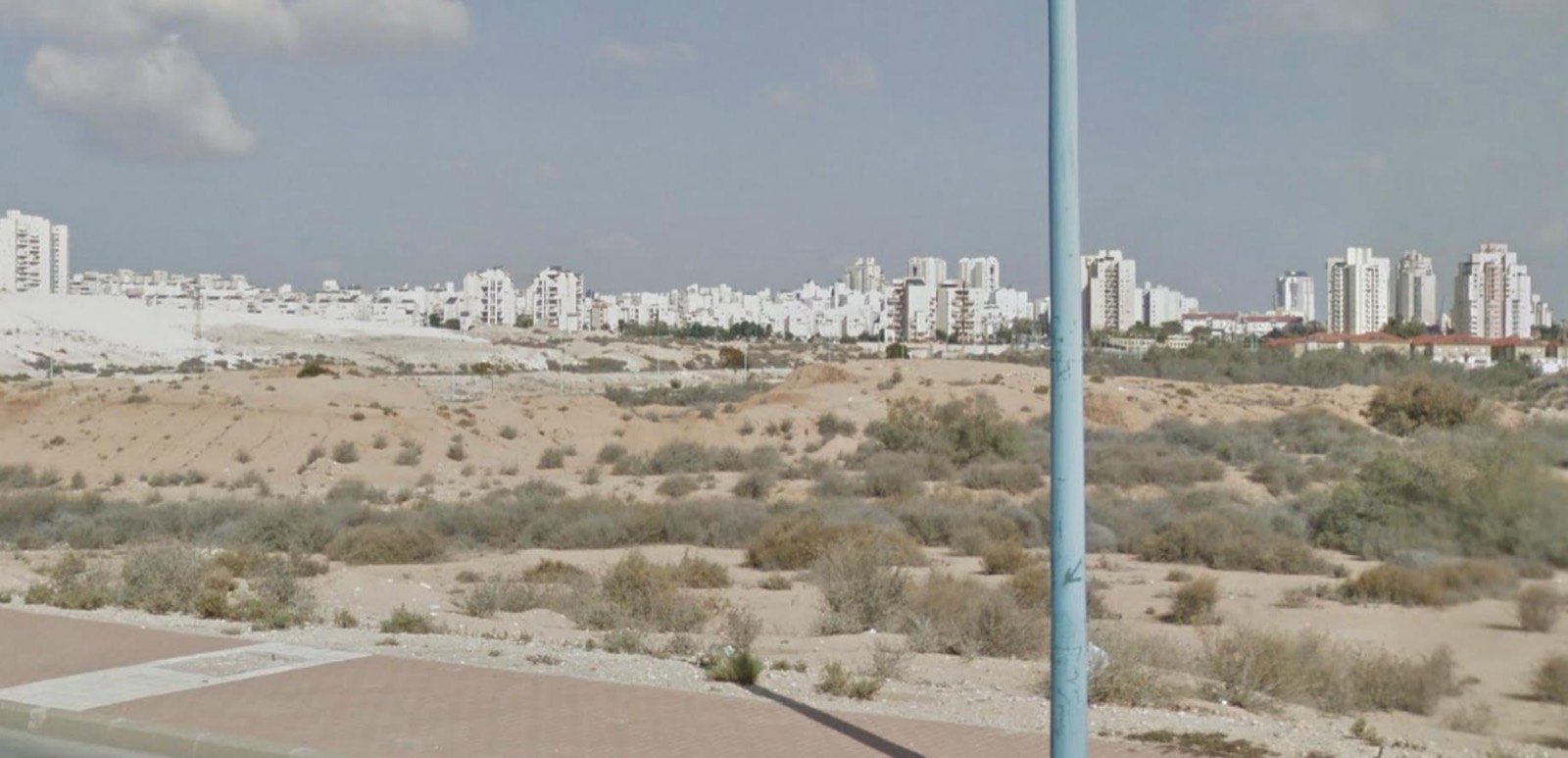
Bir a-Safadi
Bir a-Safadi, also called Be'er Tzfad
The story
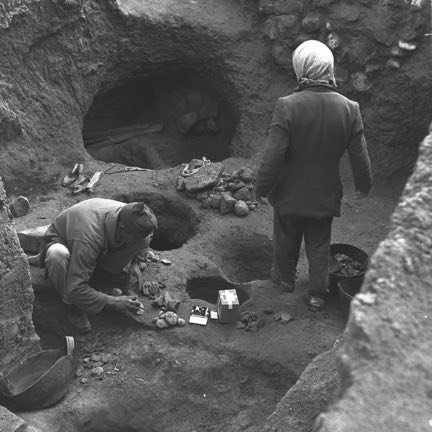
Bir a-Safadi, also called Be'er Tzfad, is a site from the Chalcolithic period on the bank of Nahal Be'er Sheva, within the bounds of present-day Beersheba. It is one of the central sites of the Beersheba culture, alongside Bir Abu Matar about half a kilometer from it and Horvat Batar: a group of settlements that existed side by side in the fifth millennium BCE, traded with each other, and each of which specialized in a different branch. The specialization of Bir a-Safadi was the working of ivory and bone, and finds of that working were found in it in a greater quantity than at Bir Abu Matar, which specialized in copper. The ivory was apparently brought from Africa, and the ivory produce of the Beersheba region is the earliest made in the Levant. The excavations of Jean Perrot in the valley in the 1950s revealed at the sites of the culture underground systems of rooms connected by tunnels, and after them building above the ground. The sources differ on the exact location of the site: the survey of the Nahal Be'er Sheva park places it on the eastern bank of the stream, within the Chalcolithic complex at the meeting of Nahal Be'er Sheva and Nahal Beka, while the entry on the Neve Noy neighborhood places the excavations within the bounds of the neighborhood, south of the stream.
Read onPerhaps this too
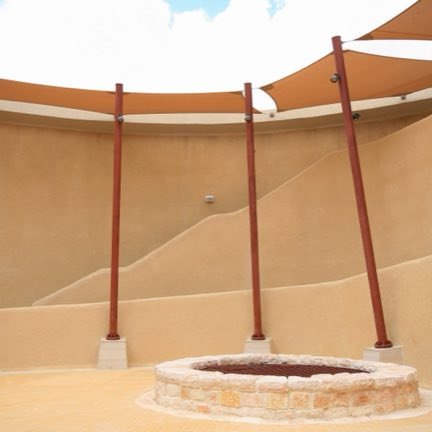
At the place itself the stamp also gets a postmark with the date.
Sources
- פארק נחל באר שבע — ויקיפדיה העברית (סעיף "המתחם הכלקוליתי") Accessed 2026-08-11
- ביר אבו מטר — ויקיפדיה העברית Accessed 2026-08-11
- נווה נוי — ויקיפדיה העברית Accessed 2026-08-11
- Beersheba culture — English Wikipedia Accessed 2026-08-11
- באר צפד (ביר צפאדי) — עמוד ענן (coordenada) Accessed 2026-08-11
Photographs
- Rafa1478 CC BY-SA 3.0
