
Bir Abu Matar
Bir Abu Matar, also called Horvat Matar or Be'er Matar
Then and now
The story
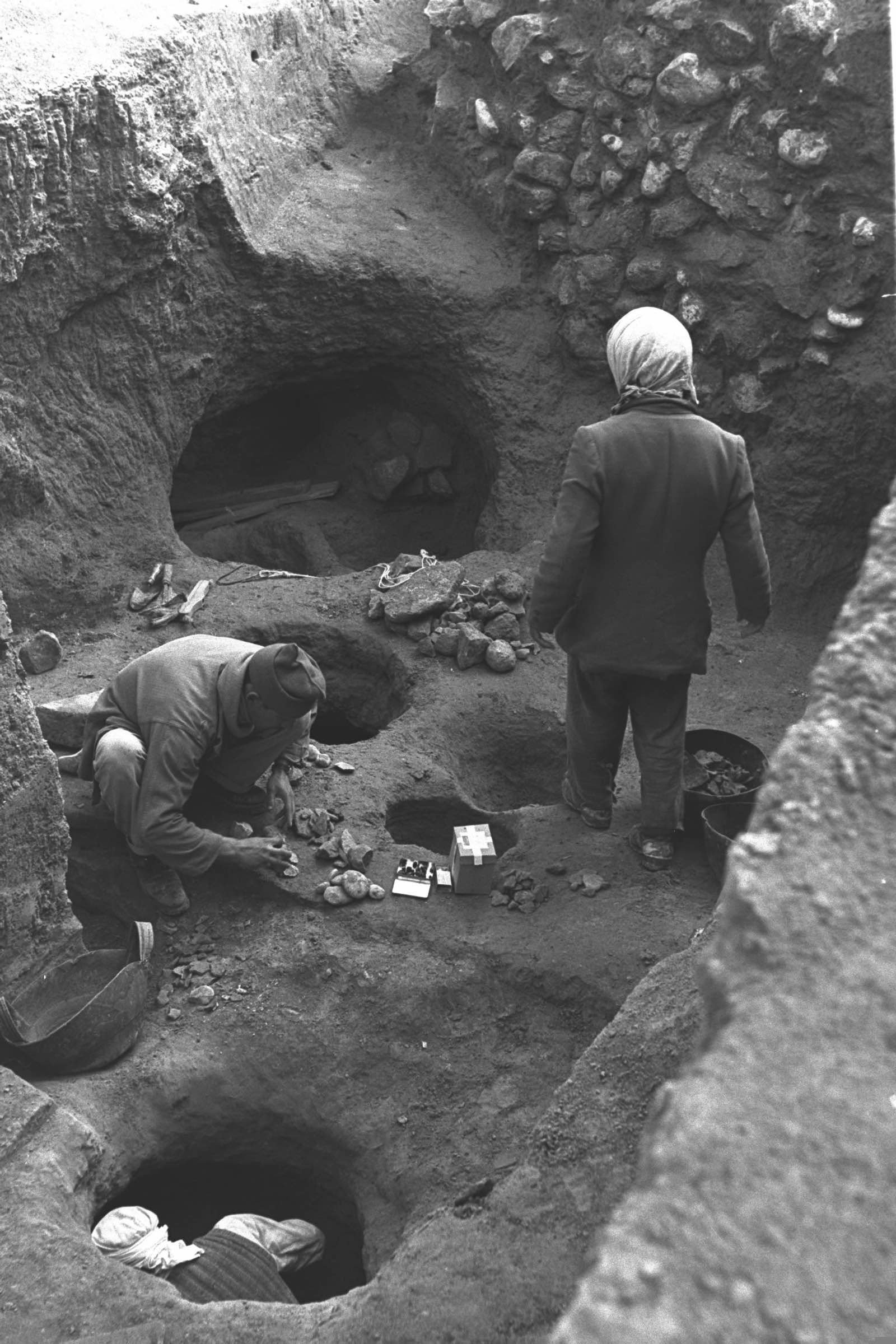
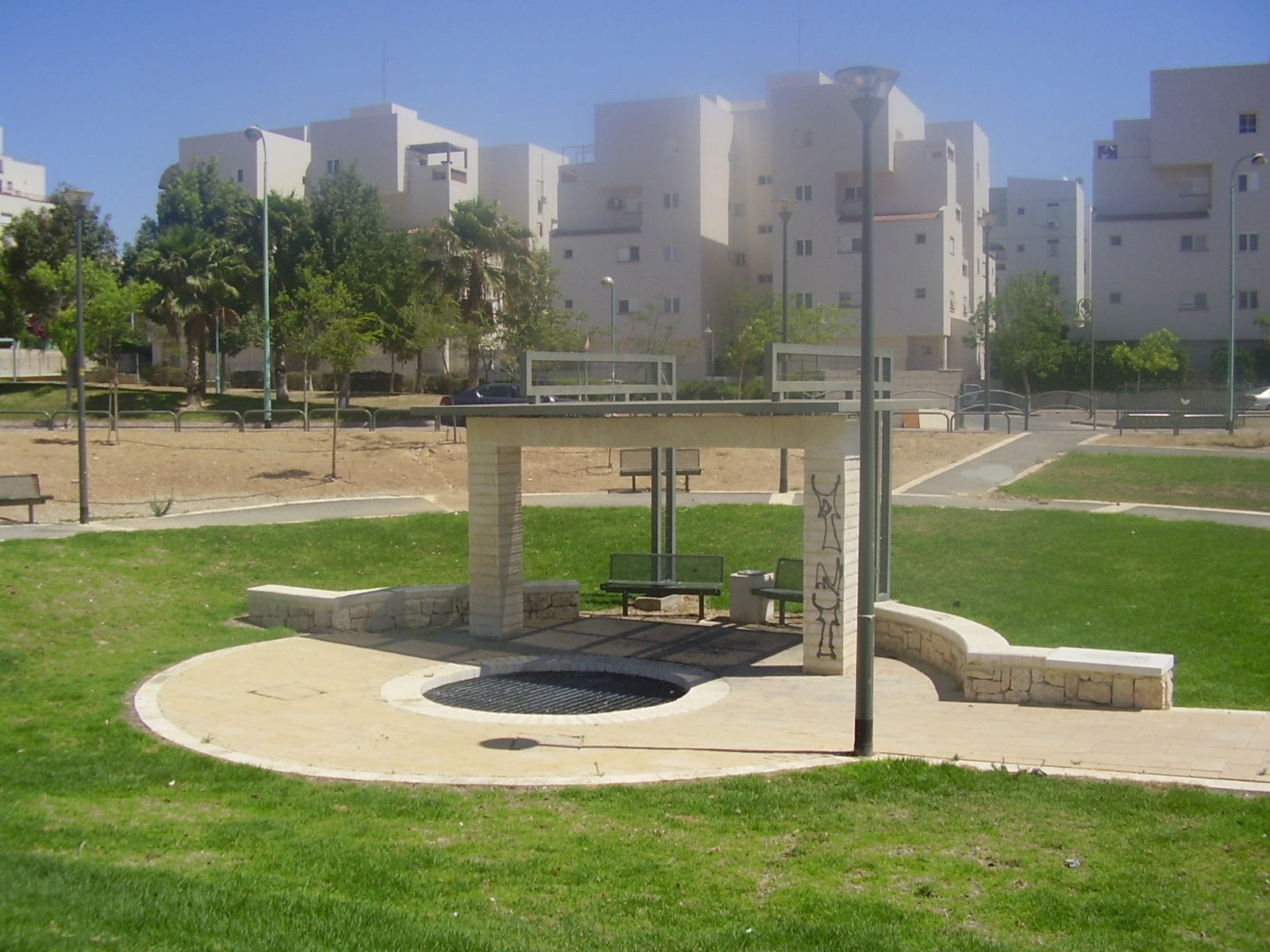
Bir Abu Matar, also called Horvat Matar or Be'er Matar, is an archaeological site from the Chalcolithic period in the Beersheba valley, on the northern bank of Nahal Be'er Sheva and within the bounds of the present-day city. The culture that was uncovered in it and at further sites in the valley — Bir a-Safadi (Be'er Tzfad), Horvat Batar and others — is called the Beersheba culture, and it was discovered in the 1950s by the archaeologist David Alon, on both banks of the stream. The settlement existed roughly between the years 4,200 and 4,000 BCE. Alon surveyed the site for the first time in 1951, and an expedition headed by the French archaeologist Jean Perrot excavated in it between 1951 and 1960; in the 1980s and at the beginning of the 1990s salvage excavations were carried out at the place. The soft loess soil of the valley made underground settlement possible, and the settlement at the site passed through three stages: first systems of rooms hewn in the ground and connected to each other by tunnels, which were entered down a sloping shaft; after them half-underground building on top of the rooms that had collapsed; and finally houses above the ground, built of unbaked bricks on stone foundations. The population of the settlement numbered about two hundred people at most. The main branch of livelihood was the flock, and beside it wheat, barley and lentils that were kept in granaries covered against rodents. Bir Abu Matar specialized in the smelting and casting of copper that was brought from Wadi Feinan and from Timna, while the working of ivory was greater at neighboring Bir a-Safadi — a specialization that complemented its neighbor and made trade between the sites possible. Over the site a small garden was made at the southern end of the Neve Ze'ev neighborhood, and in it the well can be seen and stones marking remains from the Byzantine and Ottoman periods.
Read onPerhaps this too
At the place itself the stamp also gets a postmark with the date.
Sources
- ביר אבו מטר — ויקיפדיה העברית Accessed 2026-08-11
- Bir Abu Matar (Q12404471) — Wikidata Accessed 2026-08-11
- Beersheba culture — English Wikipedia Accessed 2026-08-11
- פארק נחל באר שבע — ויקיפדיה העברית (סעיף "המתחם הכלקוליתי") Accessed 2026-08-11
Photographs
- אילן ברונר / Ilan Bruner — לשכת העיתונות הממשלתית Public domain
- he:User:The devious diesel CC BY-SA 3.0

