
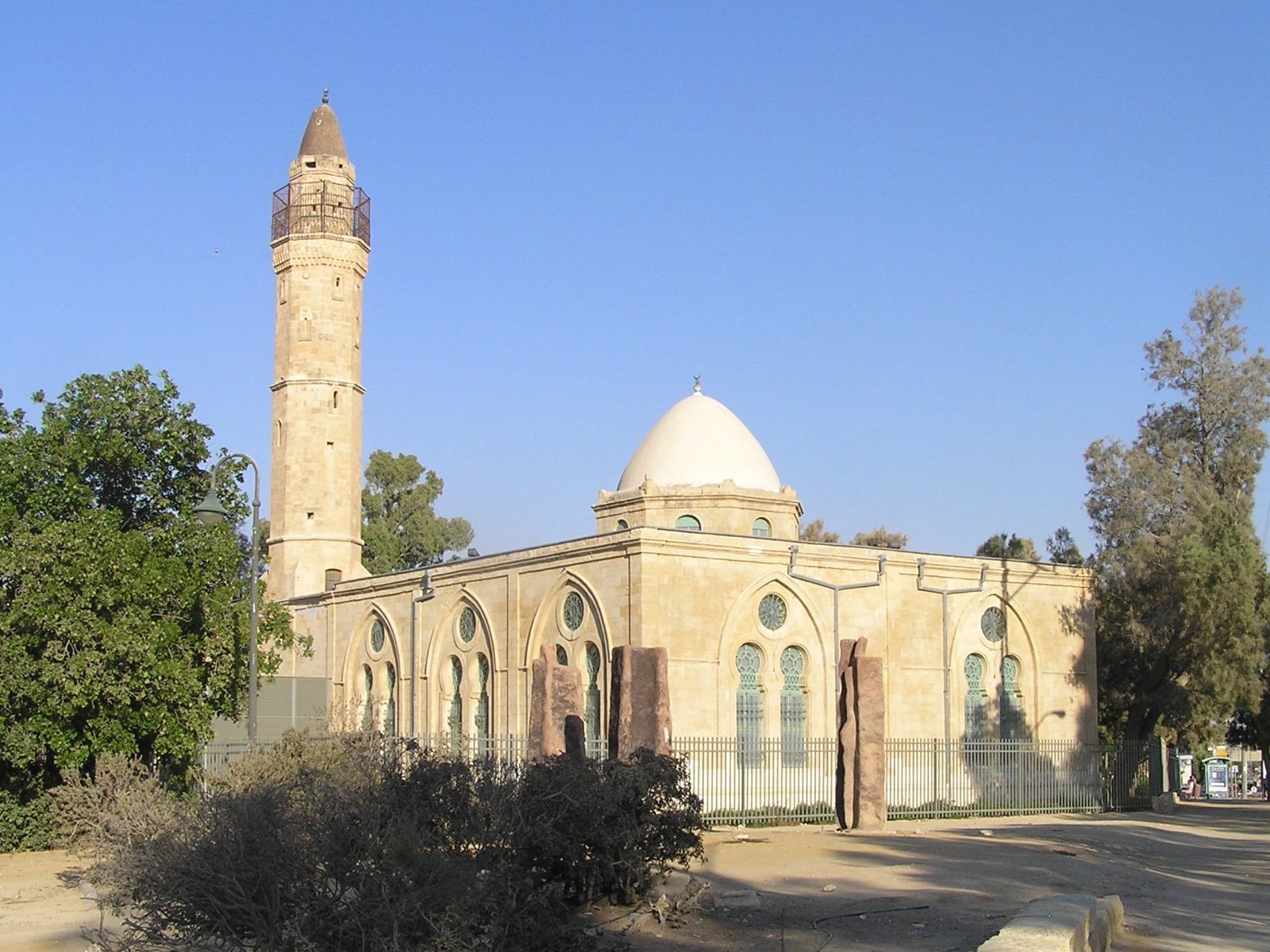
The Museum of Islamic and Near Eastern Cultures
Located in the Old City of Beersheba
The Great Mosque of BeershebaThe story
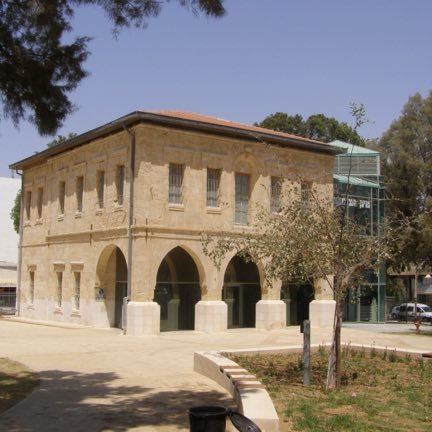
The Museum of Islamic and Near Eastern Cultures is located in the Old City of Beersheba, at 60 Ha-Atzmaut Street, inside the building of the Great Mosque, and in one compound with the Negev Museum of Art in the governor's house. The institution and the building are not the same thing: the mosque is an Ottoman building of 1906, and the museum is an institution that was created in it about a hundred years later. In the building the Negev Museum of Archaeology operated for many years: a first display was set up in it in 1950 by Zvi Ofer, and in 1953 the archaeologist Yosef Dobi set up its second version, which presented finds from Beersheba and its surroundings and lasted until 2002. The most famous of the courtyard's exhibits was the horned altar found in 1973 in the excavations of Tel Be'er Sheva, and today it is displayed at the Israel Museum in Jerusalem. In 1992 the building was evacuated as being dangerous. In 2002 a petition was submitted to the High Court of Justice (HCJ 7311/02) on behalf of the Association for Support and Defense of Bedouin Rights, the Muslim Committee in the Negev and others, who sought to return the building to prayer. In June 2011 the court accepted the state's position according to which the building would not serve for prayer, and rejected the municipality's request to return it to serve as an archaeological museum; it was determined that the purpose of the museum would be dedicated to the culture of Islam and the peoples of the East. An interim exhibition on the history of Beersheba was shown between November 2011 and October 2013, and the museum in its present purpose opened officially in December 2014.
Read onPerhaps this too
Sources
- המוזיאון לתרבות האסלאם ועמי המזרח — ויקיפדיה העברית Accessed 2026-08-10
- המסגד הגדול בבאר שבע — ויקיפדיה העברית Accessed 2026-08-10
- Muzeʼon le-tarbut ha-Islam ṿe-ʻame ha-Mizraḥ (Q28007426) — Wikidata Accessed 2026-08-10
- File:Beersheba Mosque72a.JPG — Wikimedia Commons Accessed 2026-08-10

Photographs
- Eman CC0