
Smilansky Street
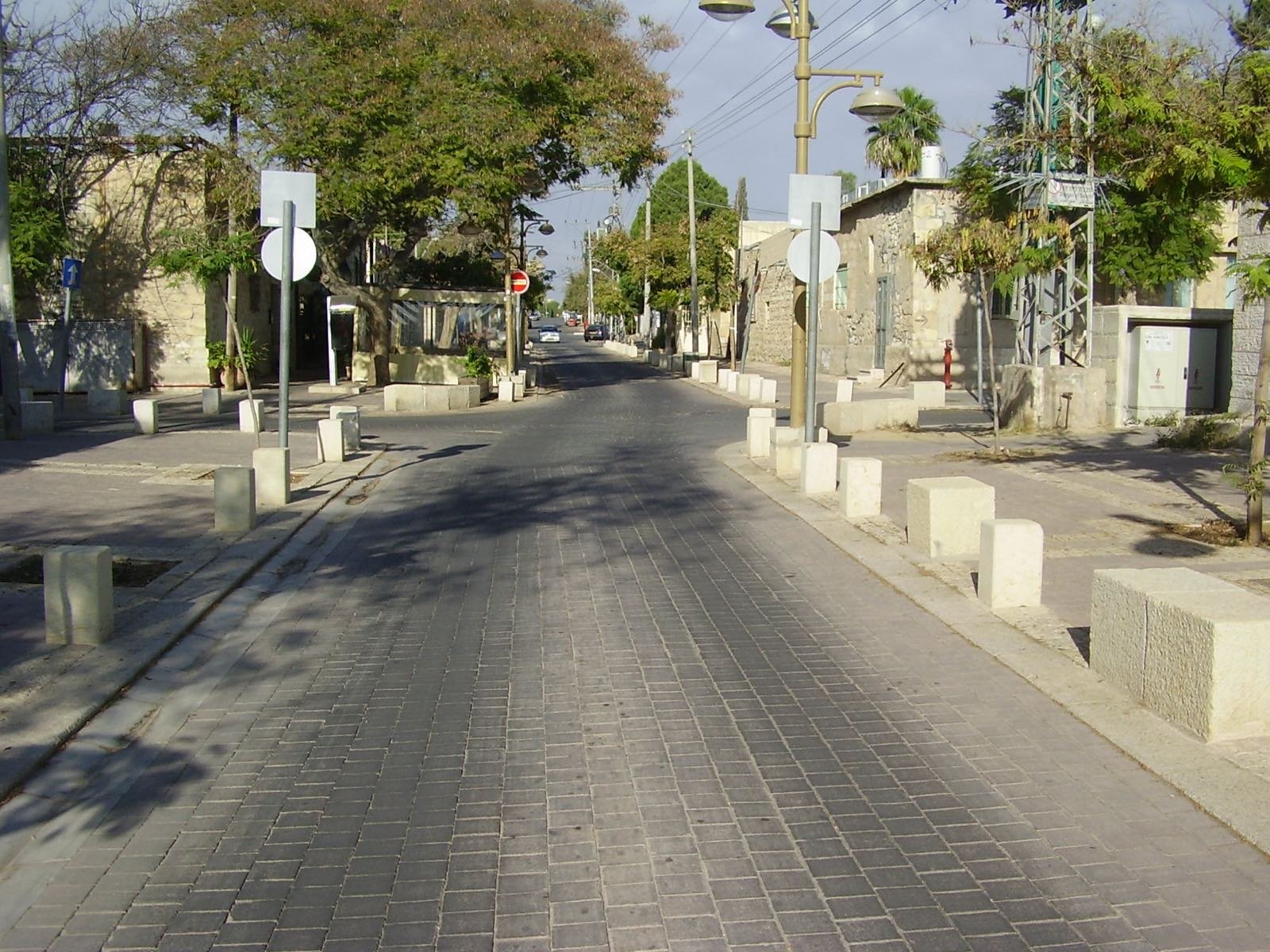
A side street in the southern part of the Old City of Beersheba
The story
Smilansky Street is a side street in the southern part of the Old City of Beersheba, about seven hundred meters in length, and it stretches from northwest to southeast and is crossed by Trumpeldor, Mordei HaGetaot, He-Halutz, Ha-Histadrut, Herzl, Ha-Hagana, Sarah and Hativat HaNegev. As in the other streets of the Old City, most of its houses are one-story stone houses, with high ceilings, internal arches and courtyards. In its northern section the road is paved with stones and parking is forbidden. The street is named after Moshe Smilansky (1874–1953), a man of the First Aliyah, a farmer, a Zionist leader, a publicist and a Hebrew writer. He immigrated to the country from the Kiev governorate in the year 1890, at the age of sixteen, settled in Rehovot and planted a vineyard in it, and wrote much about the life of the Arabs in the Land of Israel under the pen name “Khawaja Musa”. He was close to Brit Shalom. One of the old houses on the street is the Goel Drori house, at 3 Smilansky on the corner of Trumpeldor, which was built in 1914; after the British entered Beersheba in 1917 Australian soldiers of the ANZAC forces lived in it, and in its courtyard a water tower was built in 1949 which stands there to this day. In the year 1977, on a private initiative of Zecharia Liraz and Goel Drori, the street was declared the “artists' quarter” of Beersheba, and galleries opened in it — most of them closed a few years later. In the year 1990 the municipal by-law was updated by the mayor Yitzhak Rager so as to permit the activity of businesses on the street until midnight. The veteran business on it is the Rishonim bakery, which was established in 1985 at 1 Smilansky, in a building that formerly served Beit HaHalutzot. At the beginning of the 2000s the street was rehabilitated in cooperation with the municipality, the Council for Conservation of Sites and the Ministry of Tourism, and since 2005 the Smilansky festival has taken place in it on Wednesday evenings of June and July.
Read onPerhaps this too
At the place itself the stamp also gets a postmark with the date.
Sources
- רחוב סמילנסקי (באר שבע) — ויקיפדיה העברית (o tracado, os 700 m, a tipologia das casas de pedra, o Beit Goel Drori de 1914 e os soldados do ANZAC depois de 1917, a torre de agua de 1949, a Kiryat HaOmanim de 1977, a padaria de 1985, a alteracao da postura municipal em 1990 e o festival desde 2005) Accessed 2026-08-14
- משה סמילנסקי — ויקיפדיה העברית (anos de vida, a Primeira Aliya, a subida em 1890 aos dezasseis anos, Rehovot, o pseudonimo «חוג'ה מוסה» e a proximidade com o Brit Shalom) Accessed 2026-08-14
- OpenStreetMap — as sete vias com o nome «סמילנסקי משה» (Q16341980). A coordenada desta ficha e o centro geometrico dos 24 nos dessas vias Accessed 2026-08-14
Photographs
- דר' אבישי טייכר (PikiWiki) CC BY 2.5
