
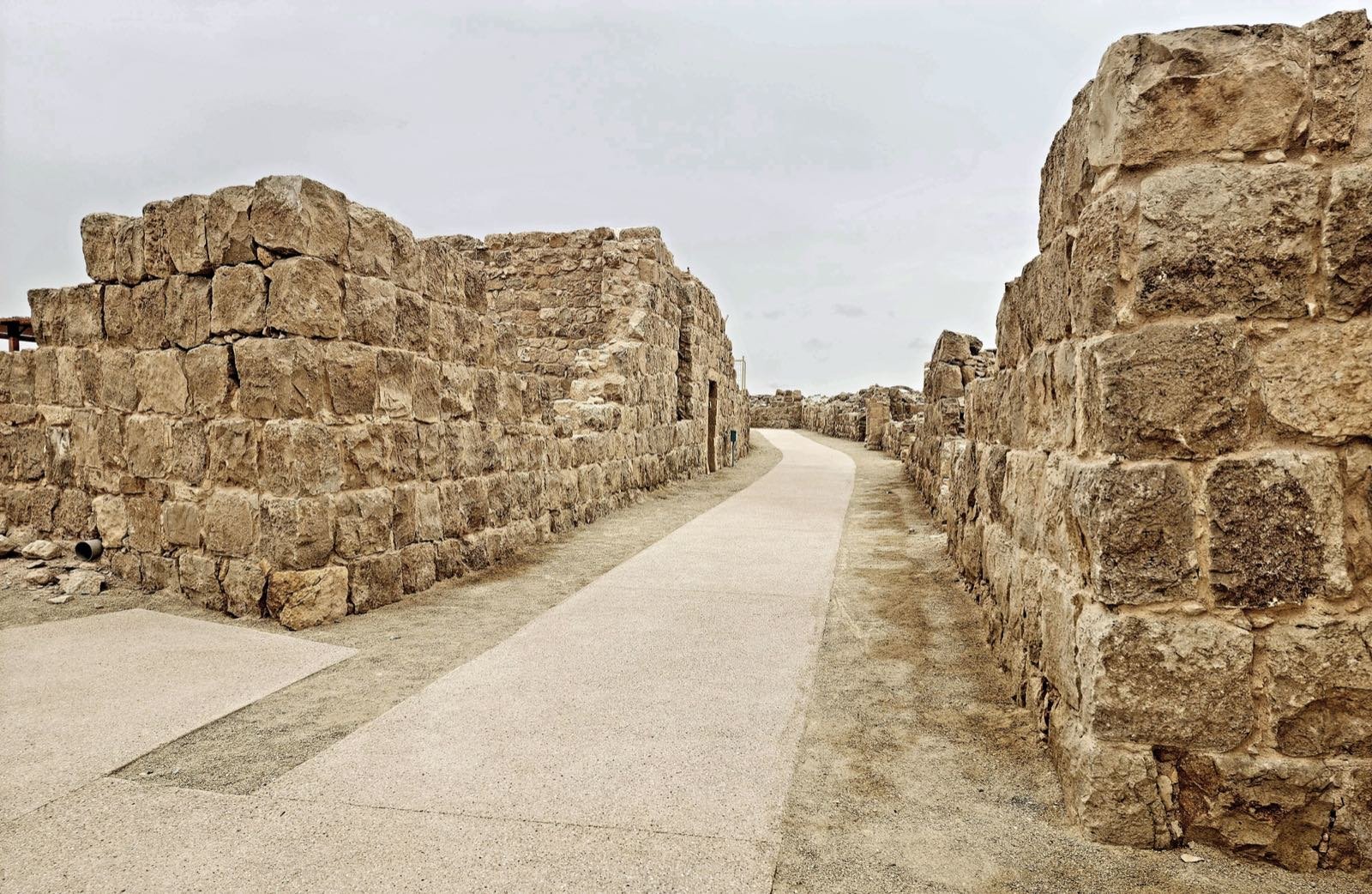
Shivta
Shivta, Subeita in Arabic, arose in the first century CE as a Nabataean village on the Incense Route
The story
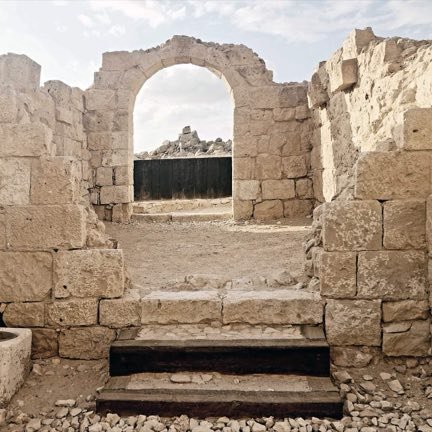
Shivta, Subeita in Arabic, arose in the first century CE as a Nabataean village on the Incense Route. With the annexation of the kingdom of Nabatea to Rome in the year 106 it continued to serve as a trading station, and in the Byzantine period it reached its peak — some two thousand inhabitants who moved from trade to desert agriculture. The settlement is mentioned in the Nitzana papyri of the sixth and seventh centuries. In Shivta there are three churches: the southern one, which has three halls and no atrium; the central one, small and joined to dwelling houses; and the northern one, the largest of them, with a two-story atrium and a monastery. Next to the southern church stands a mosque with nine columns in it — the two houses of prayer side by side are among the rare things preserved in the Negev. The city did not sit on a source of running water: two public reservoirs, whose joint capacity is 2,055 cubic meters, were filled from surface runoff that was led to them in channels. The restoration works began in 1959 on behalf of the Katzin Fund and the government of Israel, and the site was opened to the public in 1972. In 2005 it was included in the UNESCO World Heritage list.
Read onPerhaps this too
At the place itself the stamp also gets a postmark with the date.
Sources
- שבטה — ויקיפדיה העברית (התקופות, שלוש הכנסיות, המסגד, מערכת המים והשחזור) Accessed 2026-08-14
- Incense Route – Desert Cities in the Negev — Wikipedia (a lista dos componentes inscritos em 2005: as quatro cidades, os fortes Moa, Kazra, Nekarot, Makhmal e Grafon, e os khans; criterios iii e v; 6.655 ha) Accessed 2026-08-14
- חורבות שבטה — OpenStreetMap (a coordenada do sitio) Accessed 2026-08-14
Photographs
- ישראל פרקר / PikiWiki CC BY 2.5
