
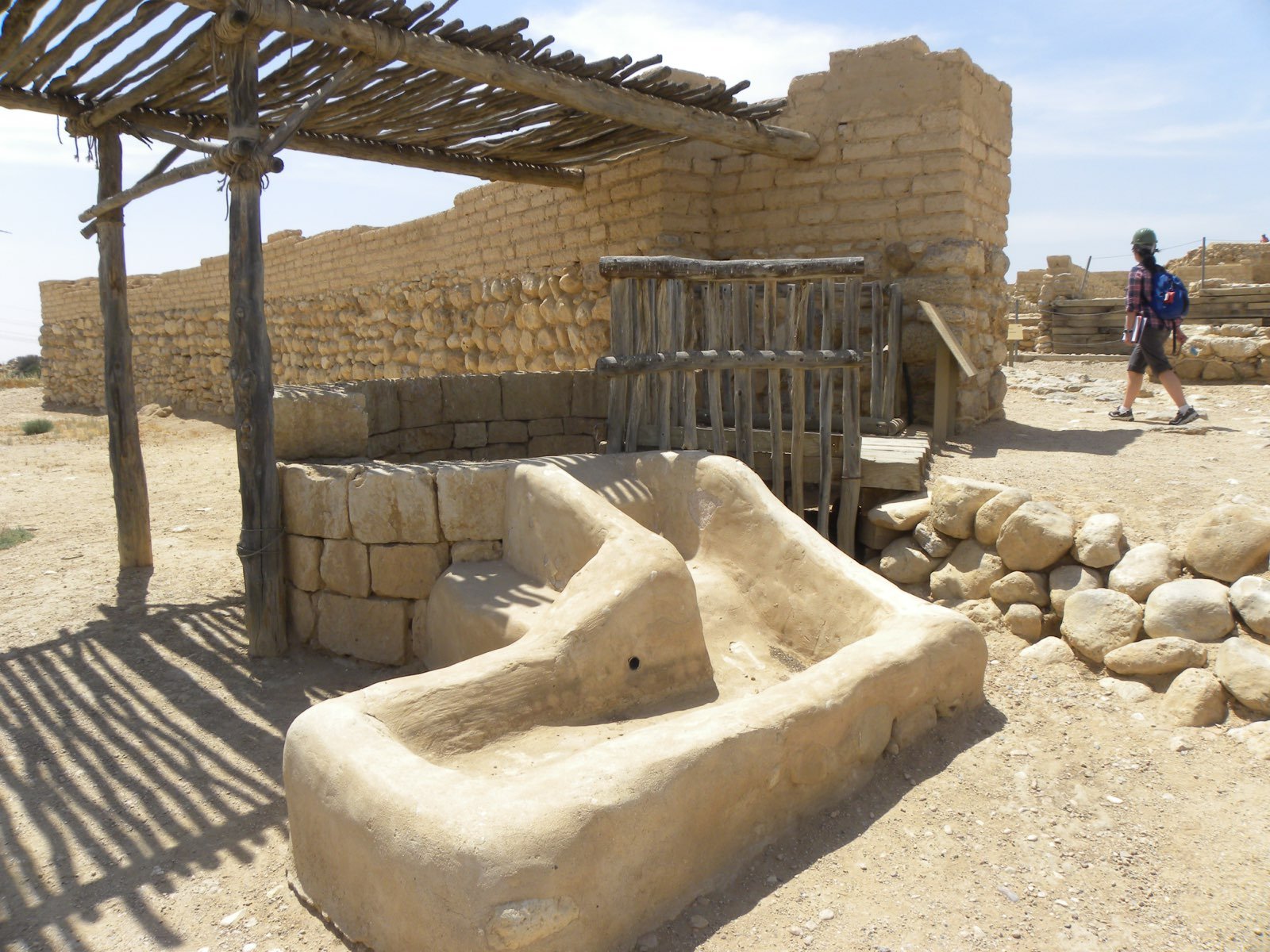
The Well of Tel Be'er Sheva
The water well of the ancient city on Tel Be'er Sheva is located outside the wall and adjoins the city gate
Tel Be'er ShevaScripture
Tanakh
וַיְהִי בַּיּוֹם הַהוּא וַיָּבֹאוּ עַבְדֵי יִצְחָק וַיַּגִּדוּ לוֹ עַל־אֹדוֹת הַבְּאֵר אֲשֶׁר חָפָרוּ וַיֹּאמְרוּ לוֹ מָצָאנוּ מָיִם וַיִּקְרָא אֹתָהּ שִׁבְעָה עַל־כֵּן שֵׁם־הָעִיר בְּאֵר שֶׁבַע עַד הַיּוֹם הַזֶּה
And it came to pass the same day, that Isaac's servants came, and told him concerning the well which they had digged, and said unto him: 'We have found water.' And he called it Shibah. Therefore the name of the city is Beer-sheba unto this day.
The story
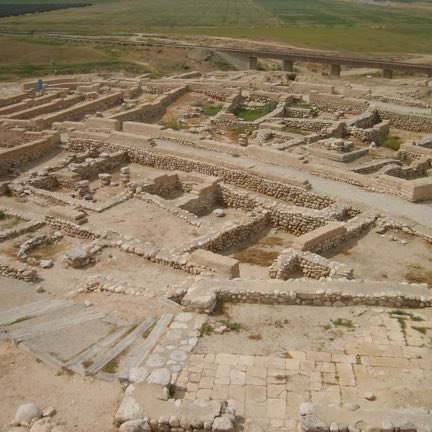
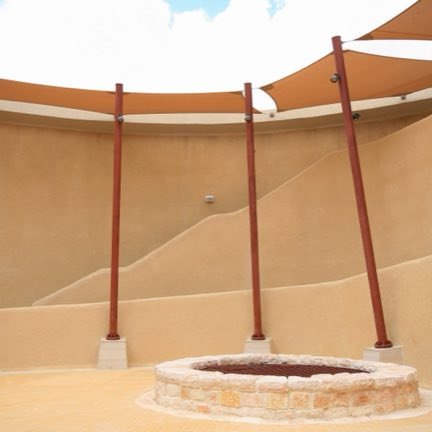
The water well of the ancient city on Tel Be'er Sheva is located outside the wall and adjoins the city gate. Its depth is 69 meters below the surface of the ground, and its lower part is dug into limestone bedrock. It is the outer of the two water systems of the city; the second is an underground reservoir inside the wall, intended for a time of siege and filled from the floodwaters of Nahal Hevron. The tel lies at the meeting of Nahal Hevron with Nahal Be'er Sheva. The earliest remains found in it are from the fourth millennium BCE; it was left for about two thousand years and resettled in the 11th century BCE, and the main period represented in its remains is a fortified city of the Kingdom of Judah from the ninth century BCE, which was rebuilt three times until it was destroyed at the end of the seventh century. The tel is identified with the biblical city of Beersheba, and some assign it to the neighboring city of Sheva, mentioned in the Book of Joshua alongside Beersheba. The stories of the patriarchs link the name of the city to the well and to the oath sworn over it.
Read onPerhaps this too
Sources
- תל באר שבע — ויקיפדיה העברית Accessed 2026-08-11
- Tel Be'er Sheva (Q534596) — Wikidata Accessed 2026-08-11
- בראשית כו — ספריא (טקסט המסורה) Accessed 2026-08-11
- Biblical Tels — Megiddo, Hazor, Beer Sheba — UNESCO World Heritage List Accessed 2026-08-11
- The Holy Scriptures According to the Masoretic Text — Jewish Publication Society, Philadelphia 1917 (public domain; source of the English gloss on the Tanach verses) Accessed 2026-08-13
- الكتاب المقدس — الترجمة العربية لسميث وفان دايك، بيروت ١٨٦٥ (ملك عام؛ مصدر الشرح العربي لآيات التناخ) Accessed 2026-08-14
- Библия. Синодальный перевод, 1876 (общественное достояние; источник русского перевода стихов Танаха) Accessed 2026-08-14
- La Santa Biblia — Reina-Valera, revisión de 1909 (dominio público; fuente de la glosa española de los versículos del Tanaj) Accessed 2026-08-14
- João Ferreira de Almeida, «A Bíblia Sagrada, contendo o Novo e o Velho Testamento», Londres, R. e A. Taylor, 1819 (domínio público; fonte da glosa portuguesa dos versos da Tanach) — Wikisource Accessed 2026-08-14
Photographs
- Ian Scott CC BY-SA 2.0
