
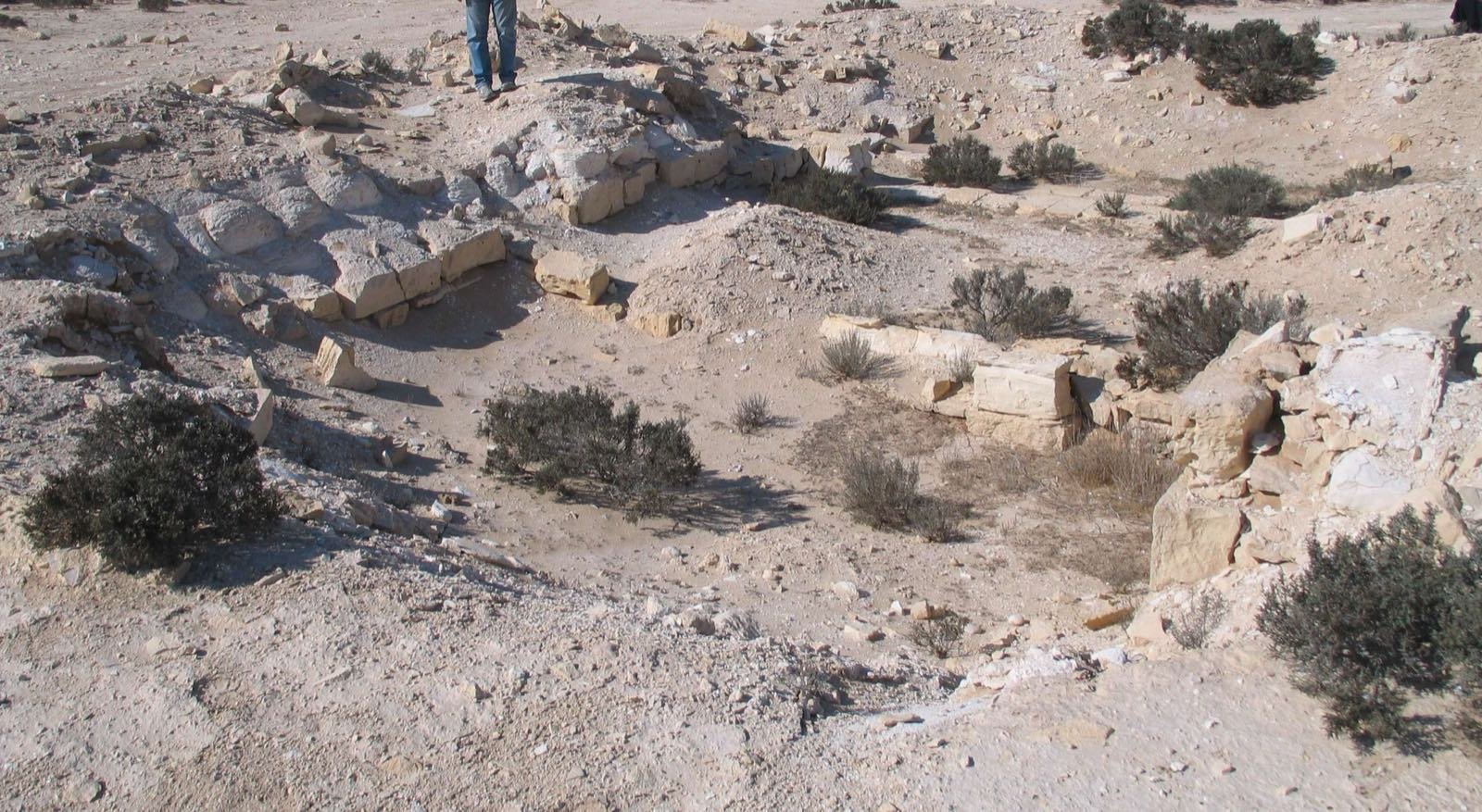
Halutza
Halutza, Elusa in the Greek sources and al-Khalasa (الخلصة) in Arabic
The story
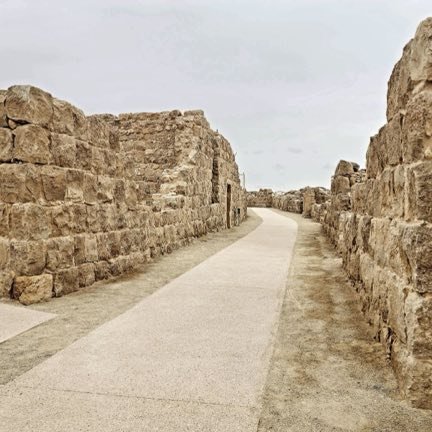
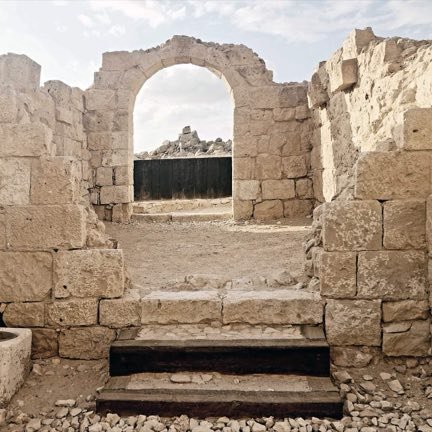
Halutza, Elusa in the Greek sources and al-Khalasa (الخلصة) in Arabic, is the northernmost of the Nabataean cities of the Negev and stands about twenty kilometers southwest of Beersheba. It was founded in the third century BCE and prospered on the Incense Route. In the year 358 it became the capital of Palaestina Salutaris, and in 409 the capital of Palaestina Tertia — that is, the chief city of the whole Negev in the Byzantine period. Christianity entered it in the fifth century, and unlike the rest of the cities of the Negev it was not abandoned with the transition to Muslim rule in the seventh century. In the excavations two large churches were uncovered in it, a theater whose diameter is 35 meters, a burial structure, residential quarters, potters' workshops and an underground water system; its area is about 520 dunams. In the nineteenth century its stones were taken for building in Gaza, and hence most of what stood above the surface of the ground is no more. In the period of the British Mandate a small Arab village named al-Khalasa stood at the place. In 2005 it was included in the UNESCO World Heritage list as one of the four cities of the Incense Route.
Read onPerhaps this too
At the place itself the stamp also gets a postmark with the date.
Sources
- חלוצה — ויקיפדיה העברית (הייסוד, מעמדה הביזנטי, החפירות, לקיחת האבנים לעזה והכפר אל-ח'לצה) Accessed 2026-08-14
- Incense Route – Desert Cities in the Negev — Wikipedia (a lista dos componentes inscritos em 2005: as quatro cidades, os fortes Moa, Kazra, Nekarot, Makhmal e Grafon, e os khans; criterios iii e v; 6.655 ha) Accessed 2026-08-14
- חורבות חלוצה — OpenStreetMap (a coordenada do sitio) Accessed 2026-08-14
Photographs
- Bukvoed CC BY 3.0
