
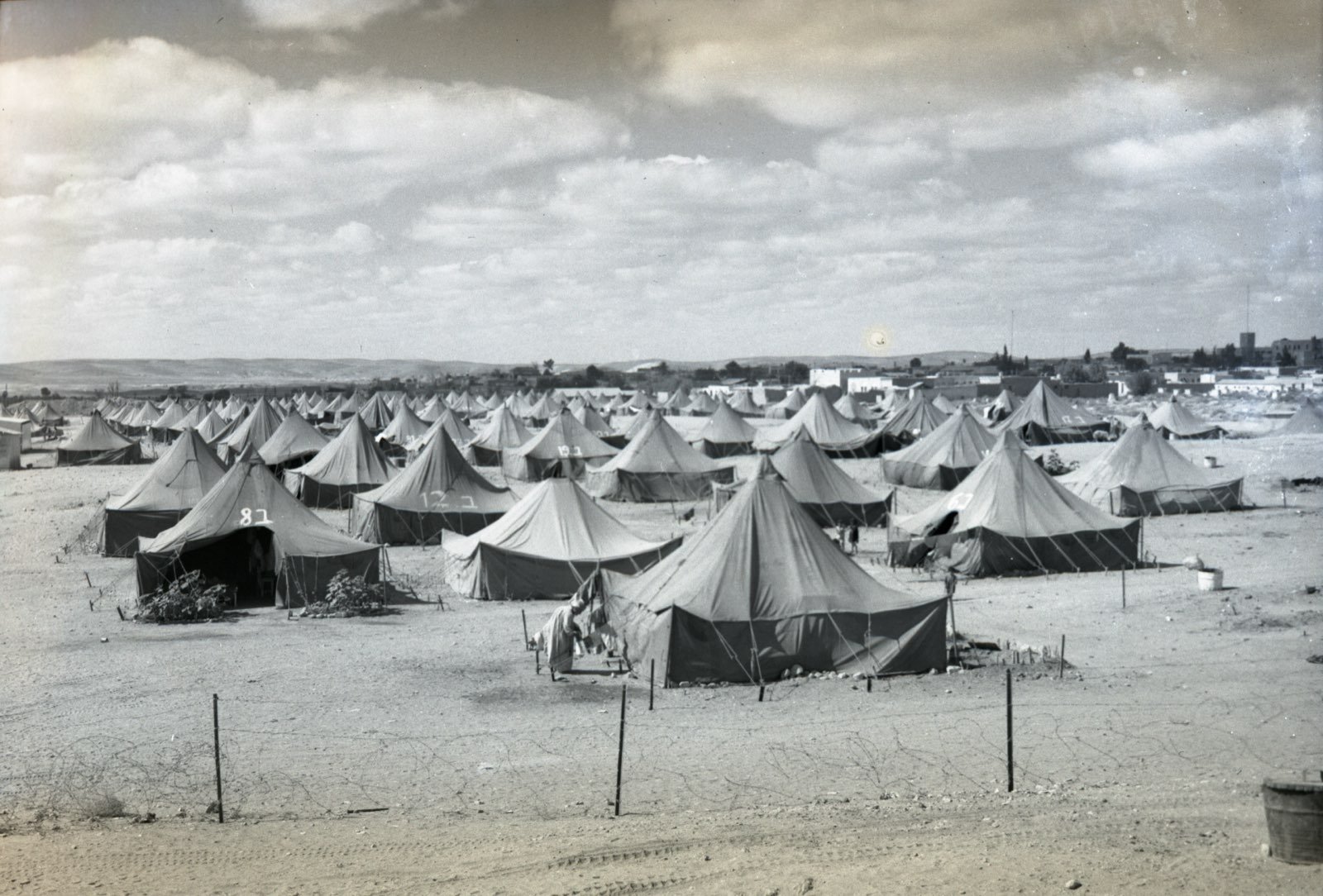
The Beersheba Transit Camp
Transit Camp Alef of Beersheba was set up in 1950
The Municipal MarketMore photographs
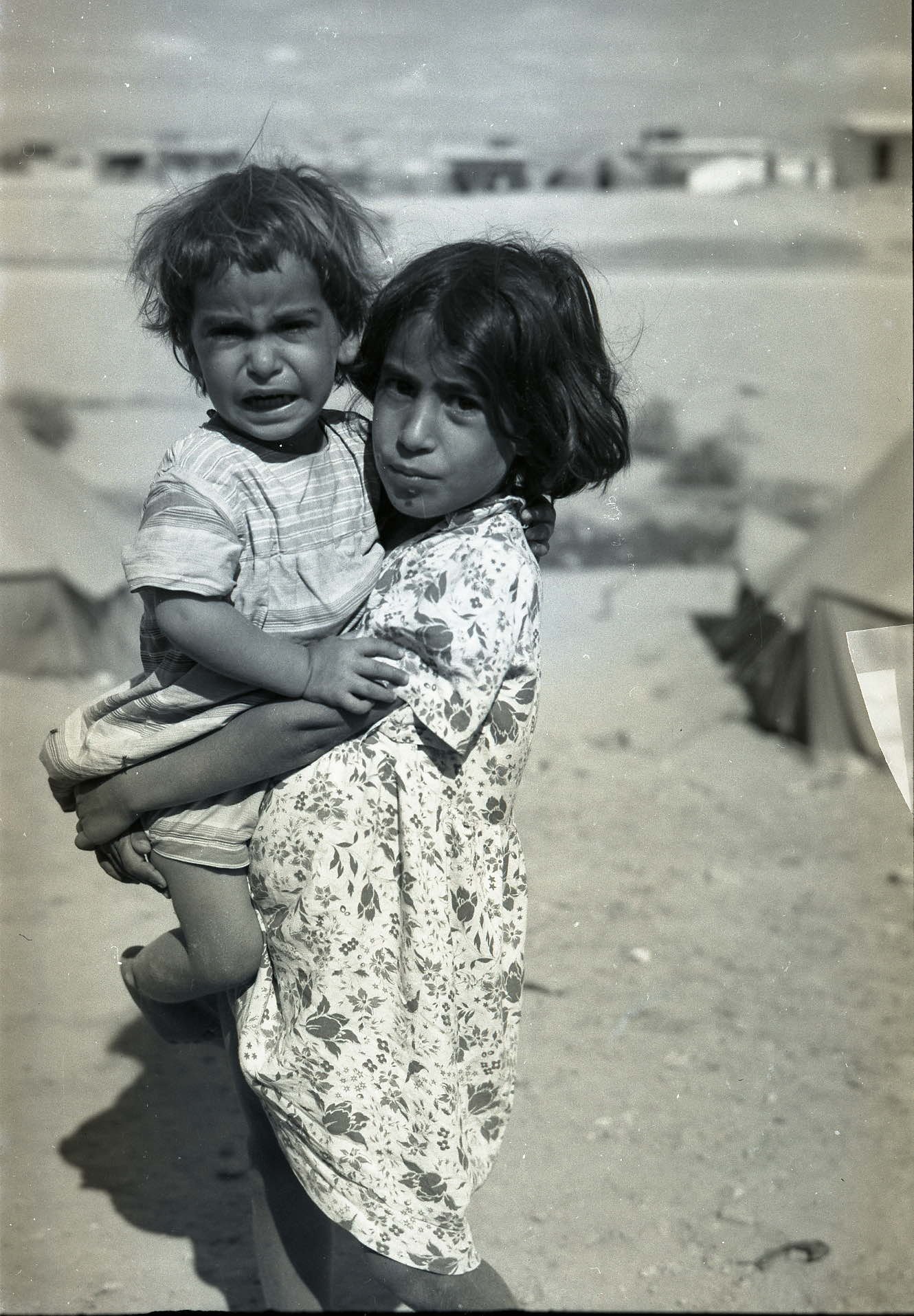
The story
Transit Camp Alef of Beersheba was set up in 1950, on the ground on which the municipal market stands today. In the spring of that year, on the idea of Levi Eshkol, it was decided to take immigrants out of the immigrant camps and to house them in transit camps — maabarot — until housing estates were built for them. In Beersheba more transit camps were set up than in Tel Aviv, and not by chance: Tel Aviv objected to setting up transit camps within its area, while David Tuviyahu, later mayor of Beersheba, understood that the development of the city depended on settling it with new immigrants, and he had no doubt that it was they who would build the Negev — precisely because they have no other home. In June 1950 Tuviyahu received a letter according to which the absorption department of the Agency would set up a camp for the temporary housing of six hundred and fifty immigrant families. In practice two tent camps of an urban character were set up, Transit Camp Alef and Transit Camp Bet, and the residents of the camp here came mainly from the immigrant camps of Be'er Yaakov, Beit Lid and Pardes Hanna. They lived in tents, in tin huts, in canvas huts and in wooden shacks. At first there were no internal roads, the sewage flowed in an open channel, the showers and the toilets were public, and in the clinic there was a lack of doctors, nurses and beds; in the first years many cases of ringworm and of trachoma were reported. Twenty percent of the children did not reach the educational institutions. In the winter the residents struggled with the floodwaters that washed through the tents, and children got lost because they had difficulty finding their tent in the tangle of tents. In the spring of 1951 responsibility for the transit camp, which numbered about three thousand souls, was transferred to the Beersheba municipality. The army, which had supplied it with electricity in 1950, returned to it in 1951: a military commander was appointed, the camp was divided into eight sub-camps, and every tent received a number.
Read onPerhaps this too
Sources
- מעברת באר שבע - חצרים — ויקיפדיה העברית Accessed 2026-08-13
- מעברת באר שבע - חצרים (Q30527558) — Wikidata Accessed 2026-08-13
- OpenStreetMap way 363221666 — שוק עירוני (o polígono do mercado; a coordenada desta ficha é o seu centroide) Accessed 2026-08-13
Photographs

