
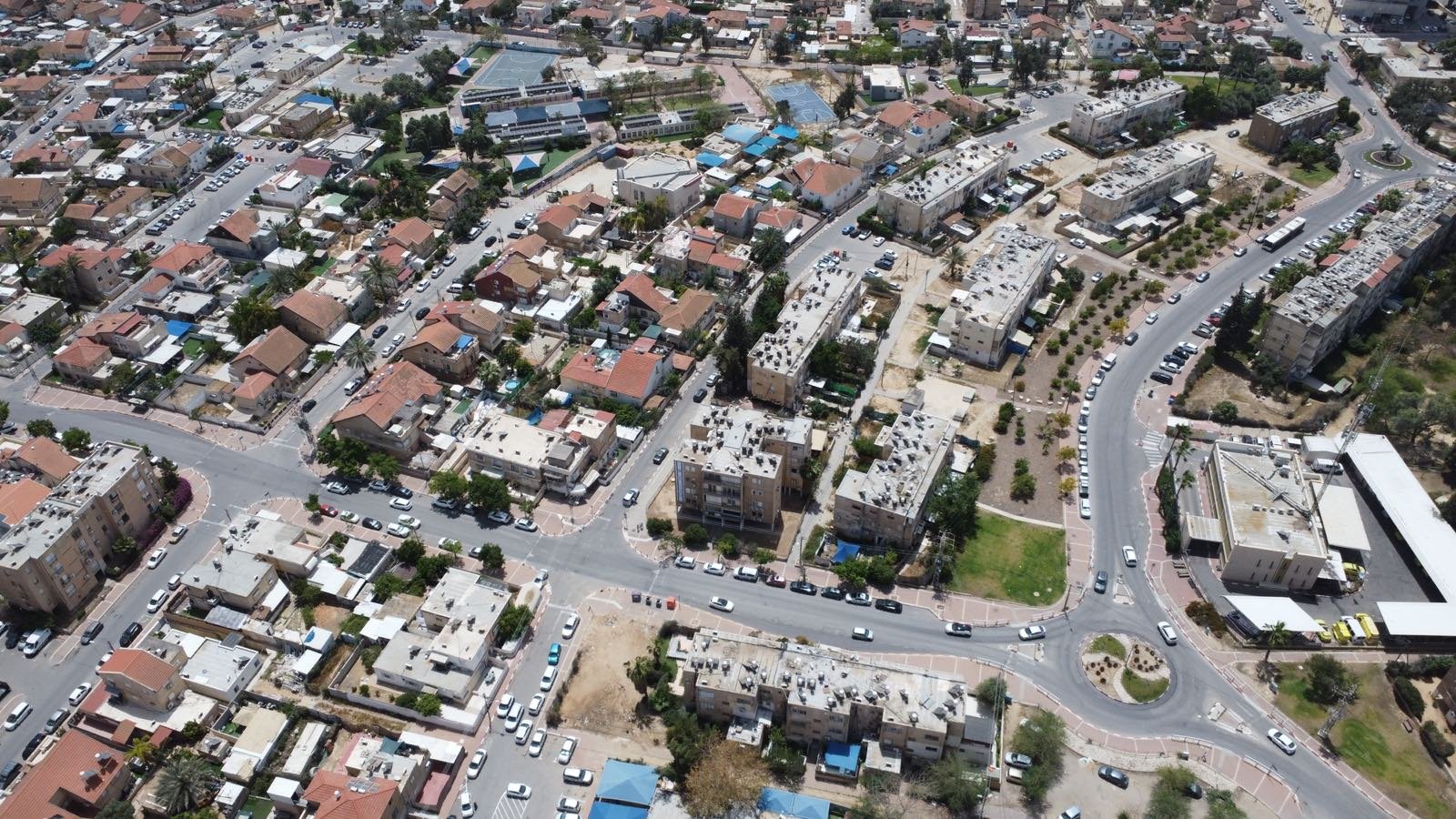
Neighborhood Alef
The first planned neighborhood of Beersheba
The story
Neighborhood Alef is the first planned neighborhood of Beersheba. It sits in the geographical center of the city, north of the Old City and adjoining the new Civic Center. It was built as a housing estate in the 1950s for new immigrants — mainly from Romania, from Morocco, from Iraq, from Yemen and from India — and in that it is the place in which one sees what happened to the city when the immigration reached it. Out of an aim to settle the Negev, small houses were built in it, for four families, of two floors, with the possibility of enlarging them later; and in order to make the wilderness bloom the Founders' Garden was laid out in it, spacious, and in it species of vegetation suited to the hot climate were planted. The master plan of the city in those years relied on the idea of the “garden neighborhood”, and it was carried out in neighborhoods that were surrounded by strips of greenery and by open spaces — except that its development did not match the expectations of its planners, and the planning bodies of the city reorganized in that same decade in order to plan the city and its neighborhoods anew. Over the years the neighborhood expanded, among other things following the move of young people and students to it with the founding of the colleges, and those same housing units of the 1950s and 1960s were enlarged in it. Centers for the needs of the population were built in it and even government institutions — a court, the National Insurance Institute and the Ministry of Education — most of which are today in the government compound and its surroundings. At the beginning of the 1990s the neighborhood took in many immigrants from the former Soviet Union. Its central streets are Weizmann and Balfour.
Read onPerhaps this too
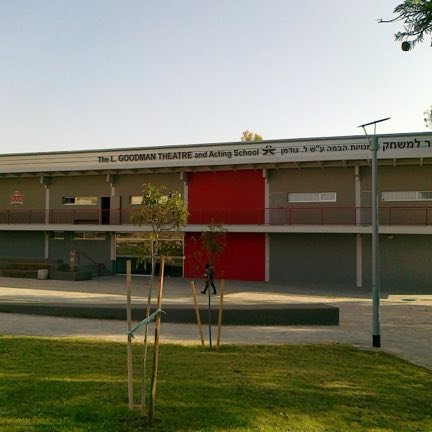
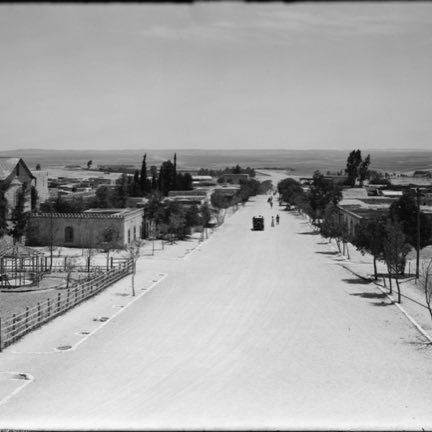
At the place itself the stamp also gets a postmark with the date.
Sources
- שכונה א' (באר שבע) — ויקיפדיה העברית Accessed 2026-08-11
- שכונה א' (באר שבע) (Q16129932) — Wikidata Accessed 2026-08-11
Photographs
- Yosef Ben Melamed CC BY-SA 4.0
