
Plants
The Hyssop You Must Not Pick
To remember
Syrian hyssop has been protected in Israel since 1977, and it is forbidden to pick it in order to sell.
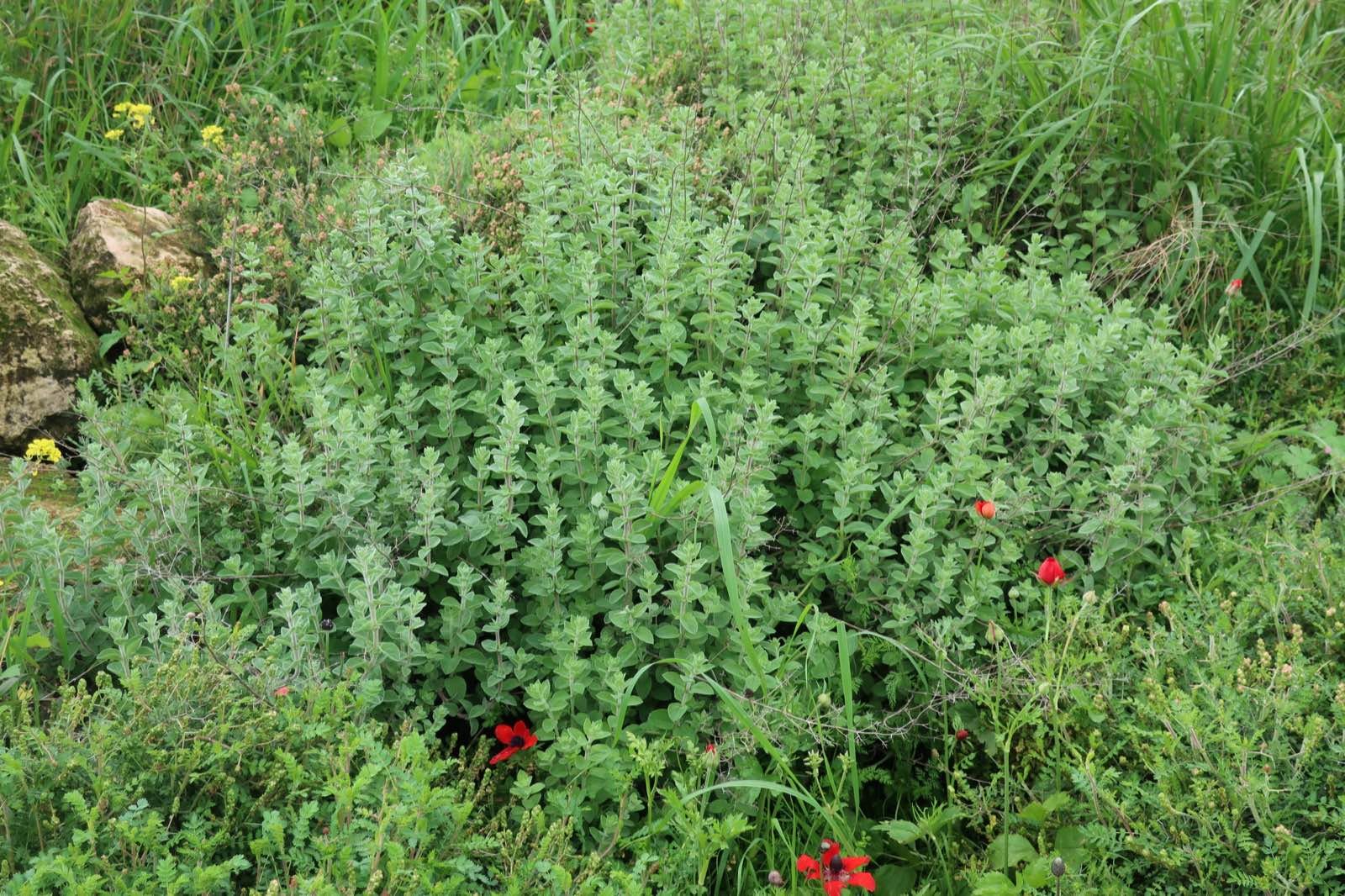
Syrian hyssop is a small spice plant, and it is one of the best-known plants in the country. In Arabic it is called za'atar, and the mixture made from it is called that too: crushed hyssop with sesame and with sumac.
It grows in the eastern Mediterranean — in Israel, in Syria and in Lebanon. It likes drained soil and sun, and it stands up well to dryness and to limestone. That is the reason you see it on rocky slopes, in places that look as if nothing will grow in them.
Its smell is strong, and there is an explanation for that. In its leaves there are substances whose names are thymol and carvacrol. They harm bacteria and soothe pain, and so hyssop served for many generations in folk medicine — against headache, against cough and against an upset stomach. It appears also in the Bible, in rites of purification.
And now the part it is worth knowing before you go out into nature. In 1977 Syrian hyssop entered the list of protected species in Israel, and picking it was forbidden.
The reason was not that it is rare by nature. The reason was that it was picked in order to be sold, in large quantities, and its natural population began to disappear. A plant from which one branch is picked goes on growing; a plant of which whole fields are uprooted does not come back.
In 2019 the regulations were changed and a small picking for household use was permitted. It is still forbidden to pick in order to sell, and people still pick in breach of the ban.
And this is an interesting case, because it shows that protecting a plant is not always the sentence 'do not touch'. Sometimes it is a question of how much, and for whom. A good law is a law you can live with — and hyssop has been eaten here for thousands of years.
And what is a 'protected species' anyway? It is an official list of plants and animals that must not be harmed, and in Israel it is very long. The idea is simple: a single flower that is picked is not a disaster, but if everyone who passes picks a single flower, at the end of the season not one is left. The law does not protect the flower in front of you. It protects the flowers of next year.
And so, when you smell hyssop on a rocky slope, that is the right thing to do: to smell. The smell stays even after the hand comes down.
Sources
- אזוב מצוי — ויקיפדיה העברית
- Photograph: Davidbena · CC BY-SA 4.0