
Astronomy
The City That Erases Stars
To remember
A third of the human beings in the world cannot see the Milky Way because of light pollution — and in September 2017 Makhtesh Ramon was declared a starlight reserve.
A third of the human beings in the world cannot see the Milky Way. Not because it has disappeared — because our light covers it.
The phenomenon is called light pollution, and it is defined as an excess of artificial light, light that is not directed where it should be, or a waste of it.
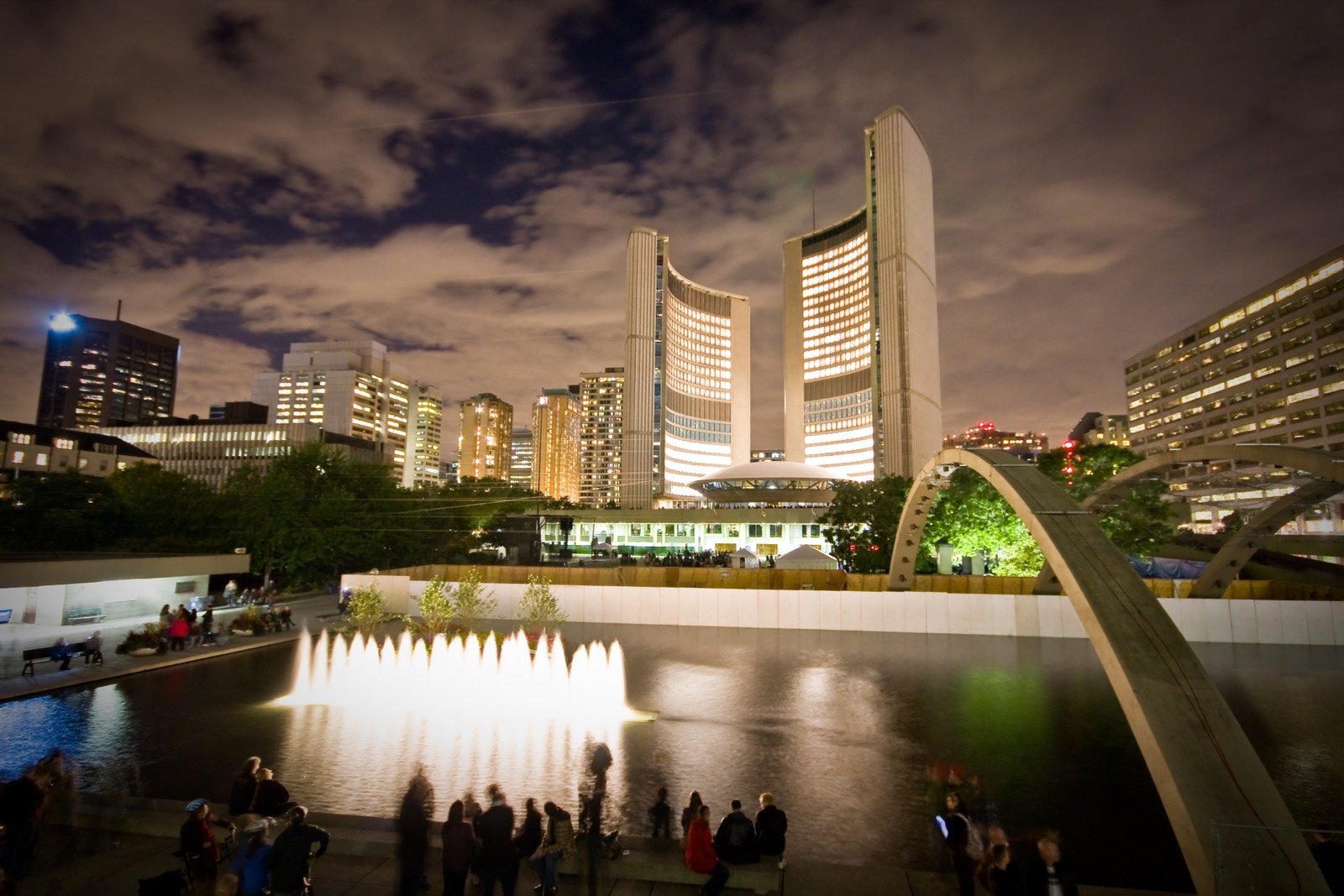
And that sounds strange at first, because light is a good thing. Except that most of the light in the street does not reach the street. Part of it spills upward, meets particles and vapors in the air, and scatters in all directions. The result is called skyglow, and it is the most common form of light pollution — a bright dome above every city, which hides the faint stars.
And there are three more forms: glare, which is strong light that makes seeing difficult; light trespass, when a neighbor's light comes into your window; and light clutter, a mixture of light sources without order.
And this concerns not only the stars. Blue light at night suppresses the production of melatonin in the body, the hormone connected to sleep — and so a screen or a strong lamp before sleep costs you tiredness the next day. Animals are harmed too: light pollution has an effect on the reproduction of corals, and on the body clock of birds.
To measure darkness there is a scale, the Bortle scale, and it has nine grades. Grade one is a sky that is ideal for observation.
And in Israel? There is no place free of light pollution from horizon to horizon. There is also no national law on the subject, but dozens of local authorities have adopted standards distributed by an organization called 'Directed Light'.
And here the Negev comes in. In September 2017 Makhtesh Ramon was declared a starlight reserve on behalf of the International Dark-Sky Association, and it is the first of its kind in the Middle East.
And what do you do? The solution is not to switch the streets off. Most of the light that spills into the sky spills because the lamp scatters it in all directions instead of lighting downward. A directed lamp, with a cover that returns the light to the ground, lights the pavement better and leaves the sky dark. That is also the reason the organization that distributes these standards in Israel is called Directed Light.
And the difference between the two kinds of pollution is the difference worth remembering. Smoke stays in the air for years. Light disappears the moment you switch it off.
Sources
- זיהום אור — ויקיפדיה העברית
- Photograph: Benson Kua from Toronto, Canada · CC BY-SA 2.0