
Operation Moshe — The Battle for Beersheba
Operation Moshe is the battle in which the IDF entered Beersheba on 21 October 1948
The Old City of BeershebaMore photographs
The story
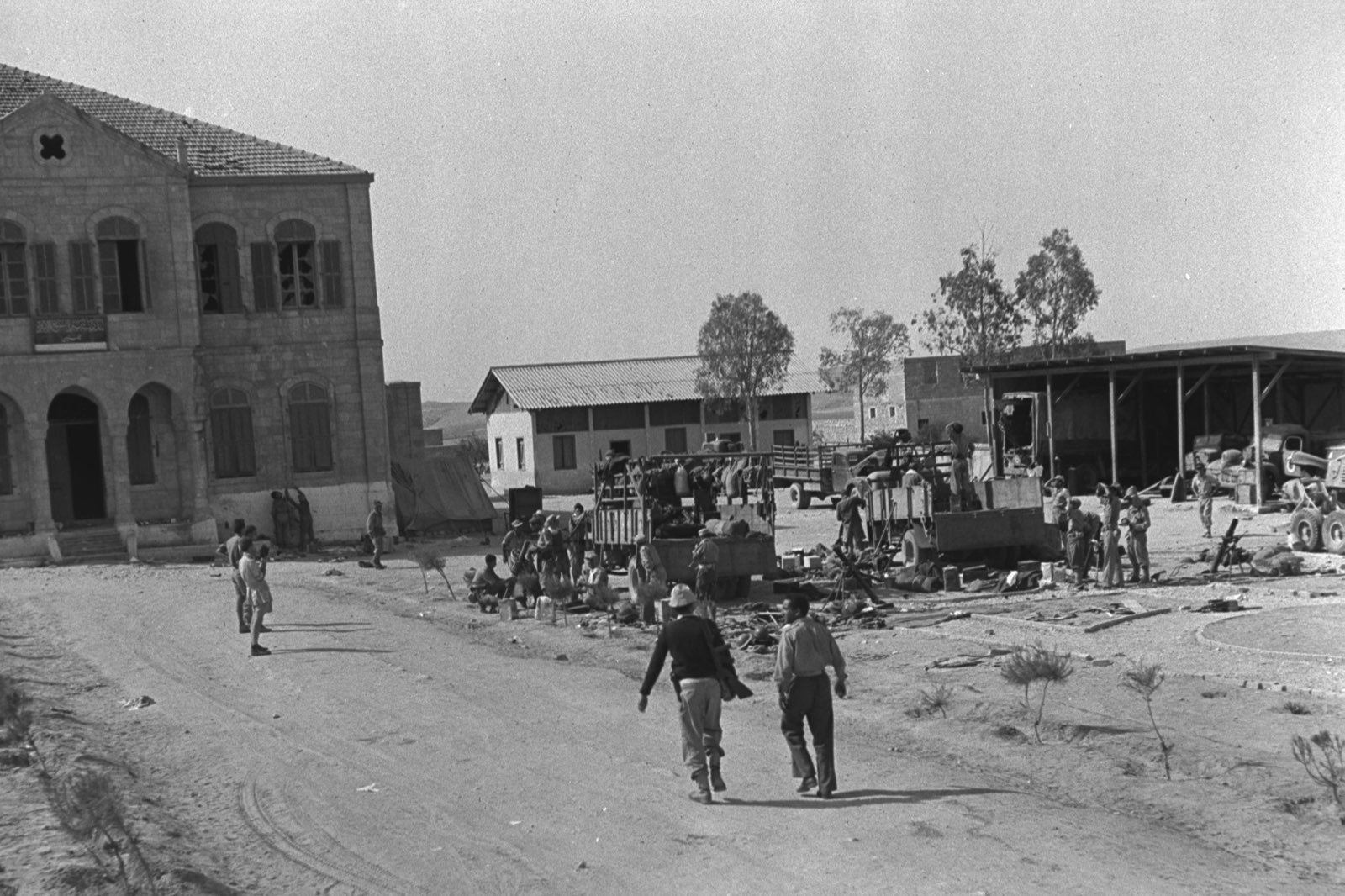
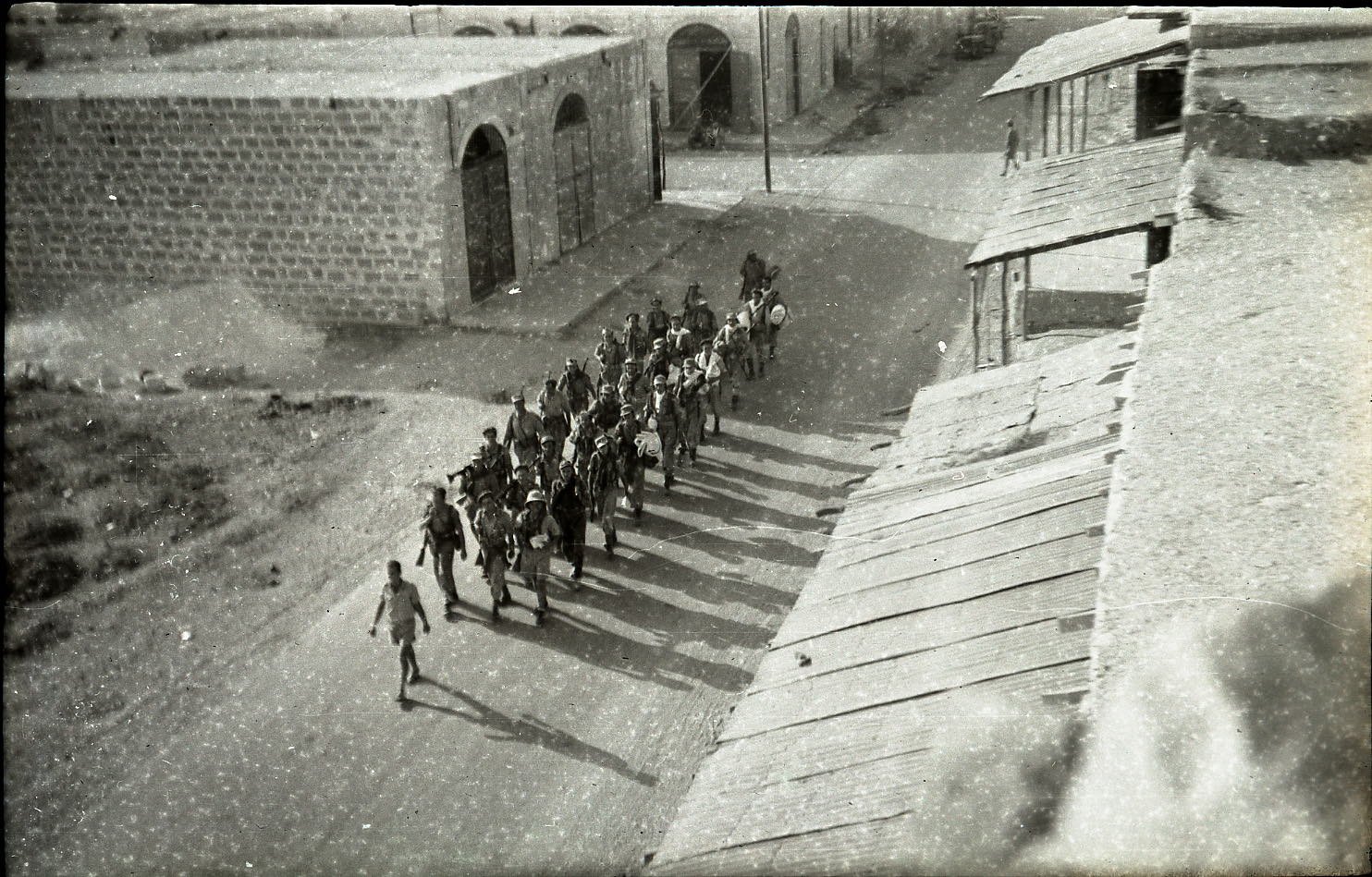
Operation Moshe is the battle in which the IDF entered Beersheba on 21 October 1948, at the end of Operation Yoav and within it, and it is named after Moshe Albert, a sector commander in the Negev Brigade who was killed in an Egyptian attack on Beit Eshel. In the partition plan of the United Nations the city was included in the territory of the Arab state, and from May 1948 the army of Egypt held it. In the village survey of the Mandate government of 1945 there were counted in the city 5,570 residents: 5,360 Muslims, 200 Christians and ten others. According to the Hebrew Wikipedia the city was bombed from the air ahead of the operation, and about half of its approximately 4,000 residents left it by the time it opened. At 3:45 the guns opened fire, and at 4:00 battalions 7 and 9 of the Negev Brigade under the command of Nahum Sarig and battalions 82 and 88 of the 8th Brigade under the command of Yitzhak Sadeh moved from the north. The city was held by a force of battalion scale — about 300 Egyptian reserve soldiers and about 150 irregular volunteers according to the Hebrew Wikipedia, about 500 soldiers according to Benny Morris. At 9:45 the force that had fortified itself in the police building surrendered and the city passed into the hands of the IDF. Six IDF soldiers were killed and 21 were wounded; on the Egyptian side there were several dozen killed and about 150 prisoners according to the Hebrew Wikipedia, about 120 according to Morris. The Hebrew Wikipedia notes that in the hours after the entry into the city many soldiers began looting. On what happened to the residents the sources differ. Morris writes that about 350 people remained in the city and were expelled to Gaza, and some of them, according to the claim, were shot by the Israelis; according to him 200 men and 150 women and children were taken to the police building, and on 25 October the women, the children, the disabled and the elderly were driven to the Gaza border. Yitzhak Reiter writes that all the Arab residents who resisted were expelled. Aref Abu-Rabia and Simha Flapan count by December about 30,000 expelled from Beersheba and from its surroundings. According to Morris, after Operation Yoav the entry of Bedouin was forbidden within a radius of ten kilometers around the city, and in response the Security Council of the United Nations adopted on 4 and on 16 November two resolutions that demanded an Israeli withdrawal from the area. The houses of the city were settled with new immigrants within a few months.
Read onPerhaps this too
Sources
- מבצע משה (מלחמת העצמאות) — ויקיפדיה העברית Accessed 2026-08-11
- Battle of Beersheba (1948) — English Wikipedia (cita Morris 2008, p. 328; Lorch 1998, pp. 522-526; Wallach 1978, p. 57) Accessed 2026-08-11
- Beersheba — English Wikipedia, seções "Mandatory Palestine" e "1948 Palestine war" (censos de 1922 e 1931, sondagem de 1945 da UNCCP; cita Morris, Birth Revisited p. 467; Reiter 2017 p. 209; Abu-Rabia 2007 p. 80; Flapan 1987) Accessed 2026-08-11
- Battle of Beersheba (Q3496729) — Wikidata (P585: 21 de outubro de 1948) Accessed 2026-08-11
- יומן דוד בן-גוריון, 21 באוקטובר 1948 — ארכיון בן-גוריון, אוניברסיטת בן-גוריון בנגב (מסמך 224891) Accessed 2026-08-11
- מבצע "יואב" — אתר הפלמ"ח, מסד הנתונים: "שלב ד': 21 לאוקטובר — 'מבצע משה' — כיבוש באר-שבע" Accessed 2026-08-11
- באר שבע — מפת אתרי מלחמת העצמאות, לפי מיפוי מחלקת ההיסטוריה של צה"ל משנת 1954 (21 באוקטובר 1948, 04:00) Accessed 2026-08-11
- File:IDF SOLDIERS IN THE STREETS OF BEER SHEVA, 1948.jpg — Wikimedia Commons Accessed 2026-08-11

Photographs
- Hugo Mendelson — Lishkat HaItonut HaMemshaltit (GPO) Public domain
- Benno Rothenberg, אוסף מיתר — הספרייה הלאומית CC BY 4.0
