
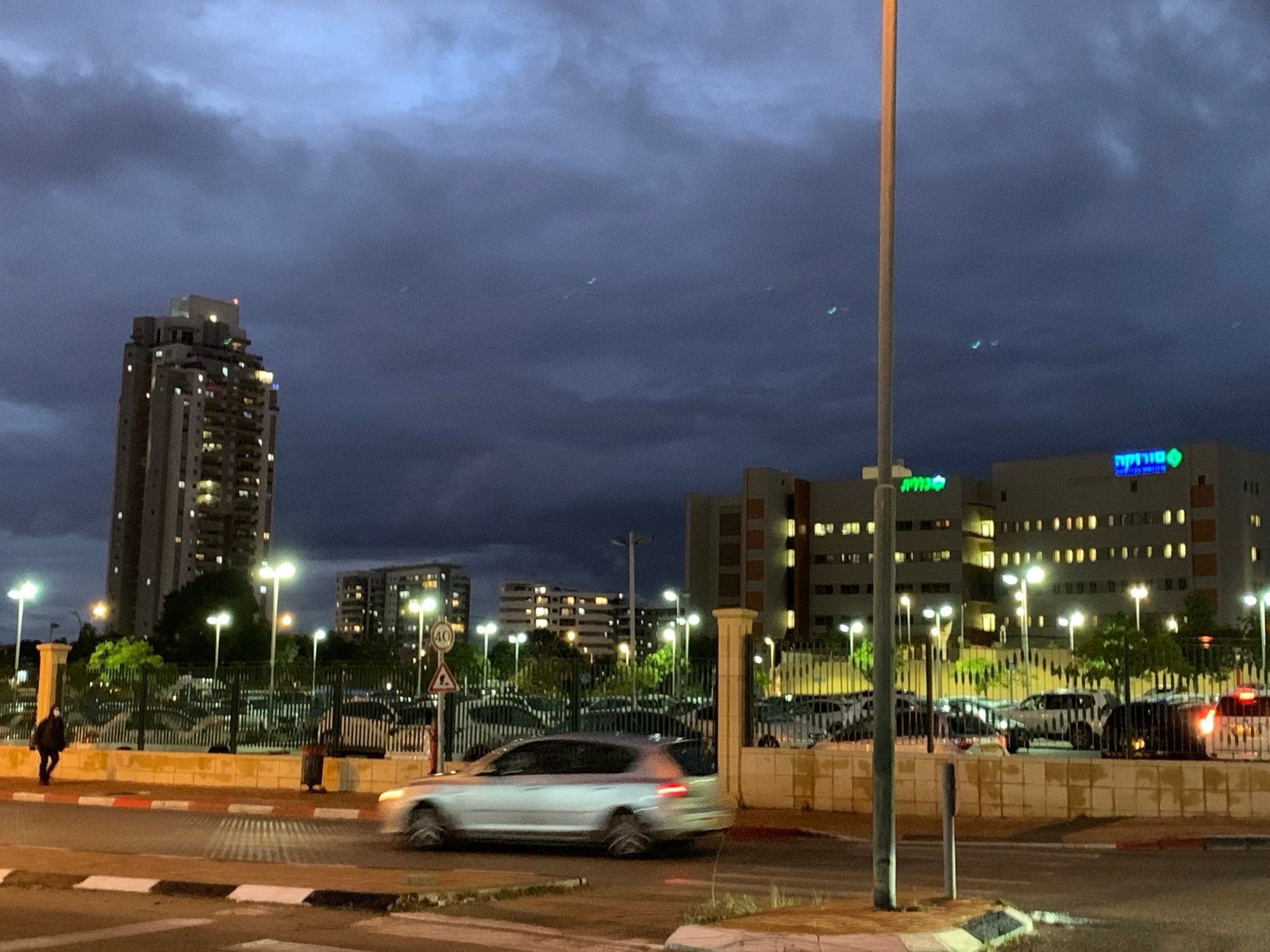
Neighborhood Dalet
In the north of Beersheba
More photographs
The story
Neighborhood Dalet is in the north of Beersheba, north of Neighborhoods Gimel and Bet, and it is so large that it is divided into three areas: Dalet South, Dalet North and Dalet East. It was built in the 1950s as a housing estate settled with new immigrants, mainly from the lands of Islam and from Holocaust survivors in Europe, and it was built on the model of a garden city; it also had streets of middle-class families. Until the 1970s, when the new northern entrance to the city was paved, it stood on the edge of Beersheba. Who came here, and when, is in fact its story. In the 1950s immigrants from India were housed in it, and their children were not accepted into the schools in the neighborhood; they traveled to study with the Christian mission in the Old City, and following that they began a hunger strike and demanded to return to India. Ben-Gurion feared the protest and gave them an aircraft — and within a few weeks many of them returned to the country. In the 1970s the neighborhood took in a large immigration from Russia and from Georgia, and in the 1990s many immigrants from the former Soviet Union. The building too tells this: “block” housing of four floors, with apartments of two and three rooms, and beside them “carpet” housing — a small single-story terraced cottage with a tiny garden surrounded by a wall. Over the years an image of poverty and crime attached to the veteran neighborhood, among other reasons because it took in over the years immigrants from a low socio-economic background. And from this neighborhood came, among many others, Ronit Elkabetz, Zehava Ben, Amir Benayoun, Silvan Shalom, Danny Kushmaro and Hanna Azoulay-Hasfari. Since the 1970s Ben-Gurion University has stood in it, and the students have changed parts of it. As of 2012, 17,800 residents lived in it.
Read onIn this place


Perhaps this too


At the place itself the stamp also gets a postmark with the date.
Sources
- שכונה ד' (באר שבע) — ויקיפדיה העברית Accessed 2026-08-13
- שכונה ד' (באר שבע) (Q6991886) — Wikidata Accessed 2026-08-13
- Category:Shchuna D — Wikimedia Commons Accessed 2026-08-13
Photographs
- פופי סאן המזוייפת CC BY-SA 4.0
- Eddau CC BY-SA 3.0

