
Tel Arad
An archaeological site in the Arad valley
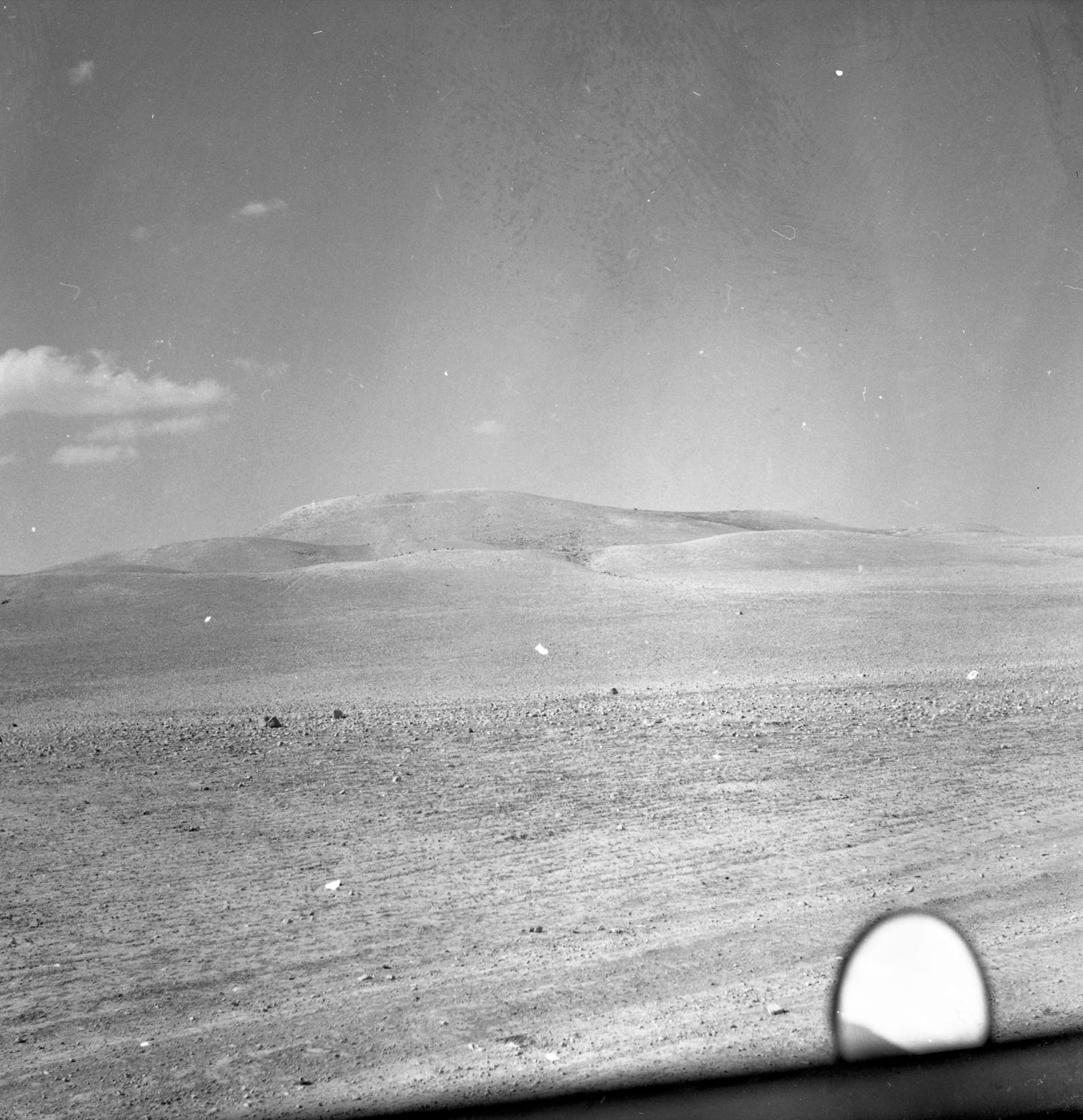
Then and now
More photographs
Scripture
Tanakh
וַיִּשְׁמַע הַכְּנַעֲנִי מֶלֶךְ־עֲרָד יֹשֵׁב הַנֶּגֶב כִּי בָּא יִשְׂרָאֵל דֶּרֶךְ הָאֲתָרִים
And the Canaanite, the king of Arad, who dwelt in the South, heard tell that Israel came by the way of Atharim;
The story
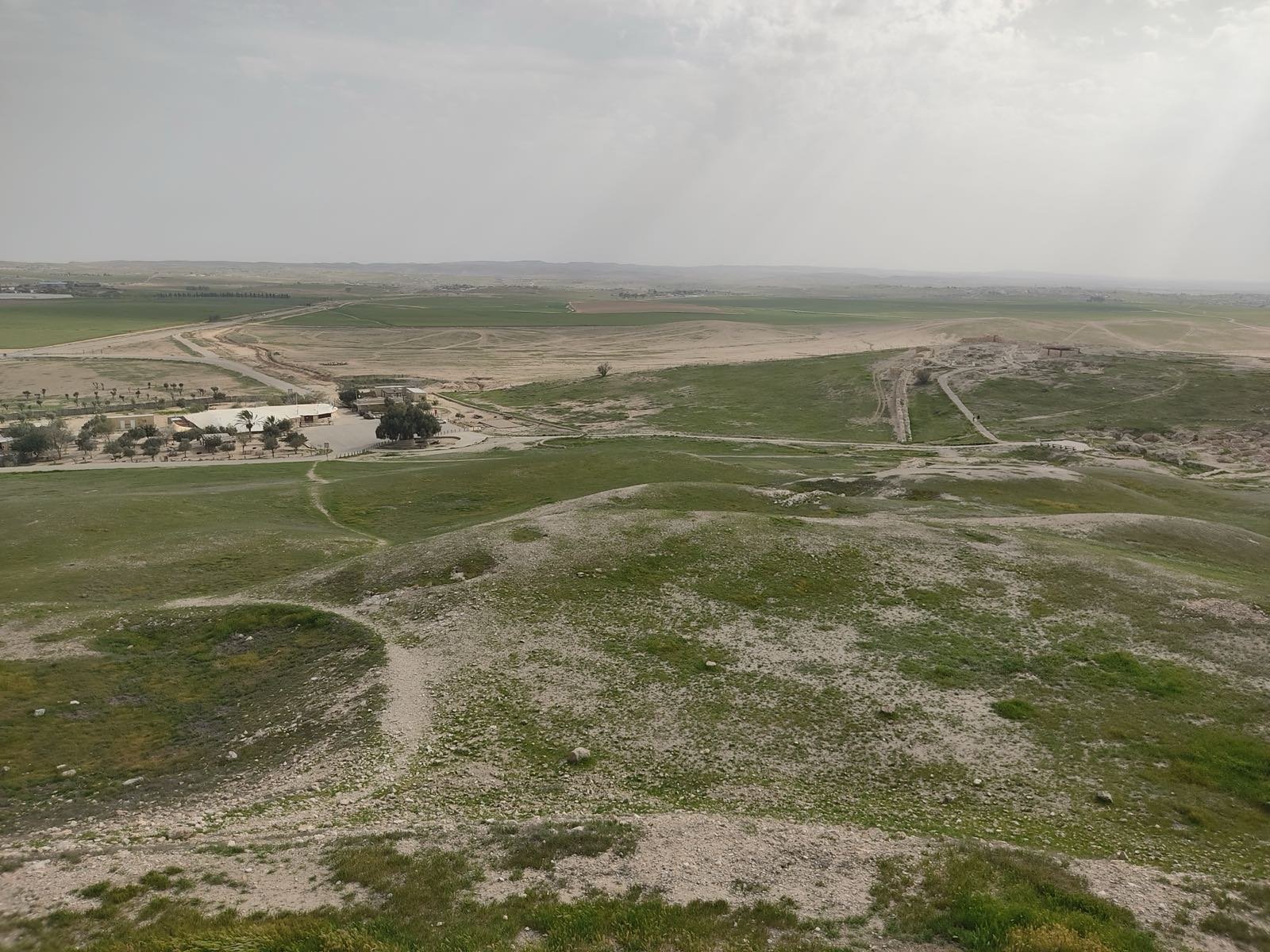
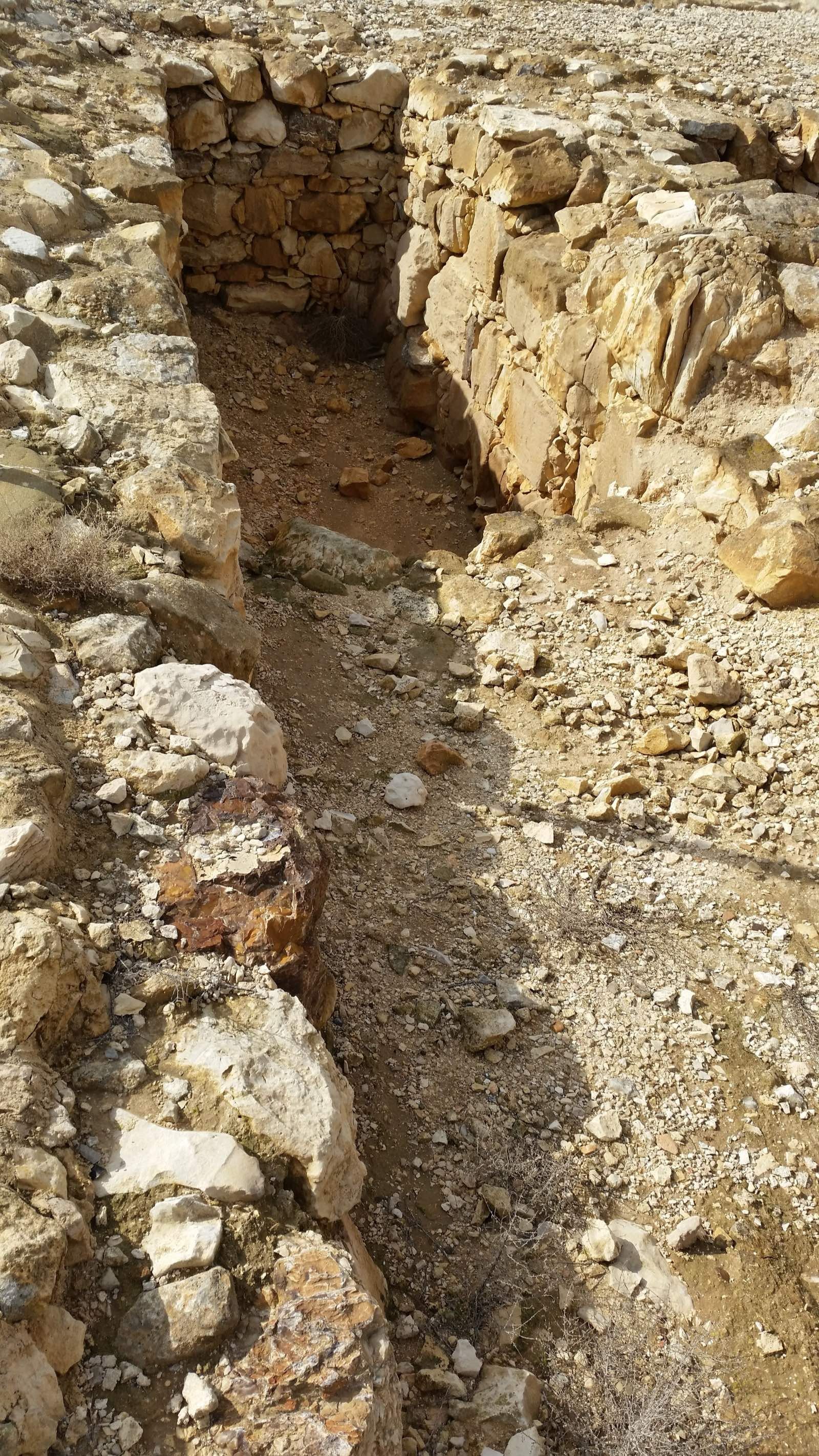
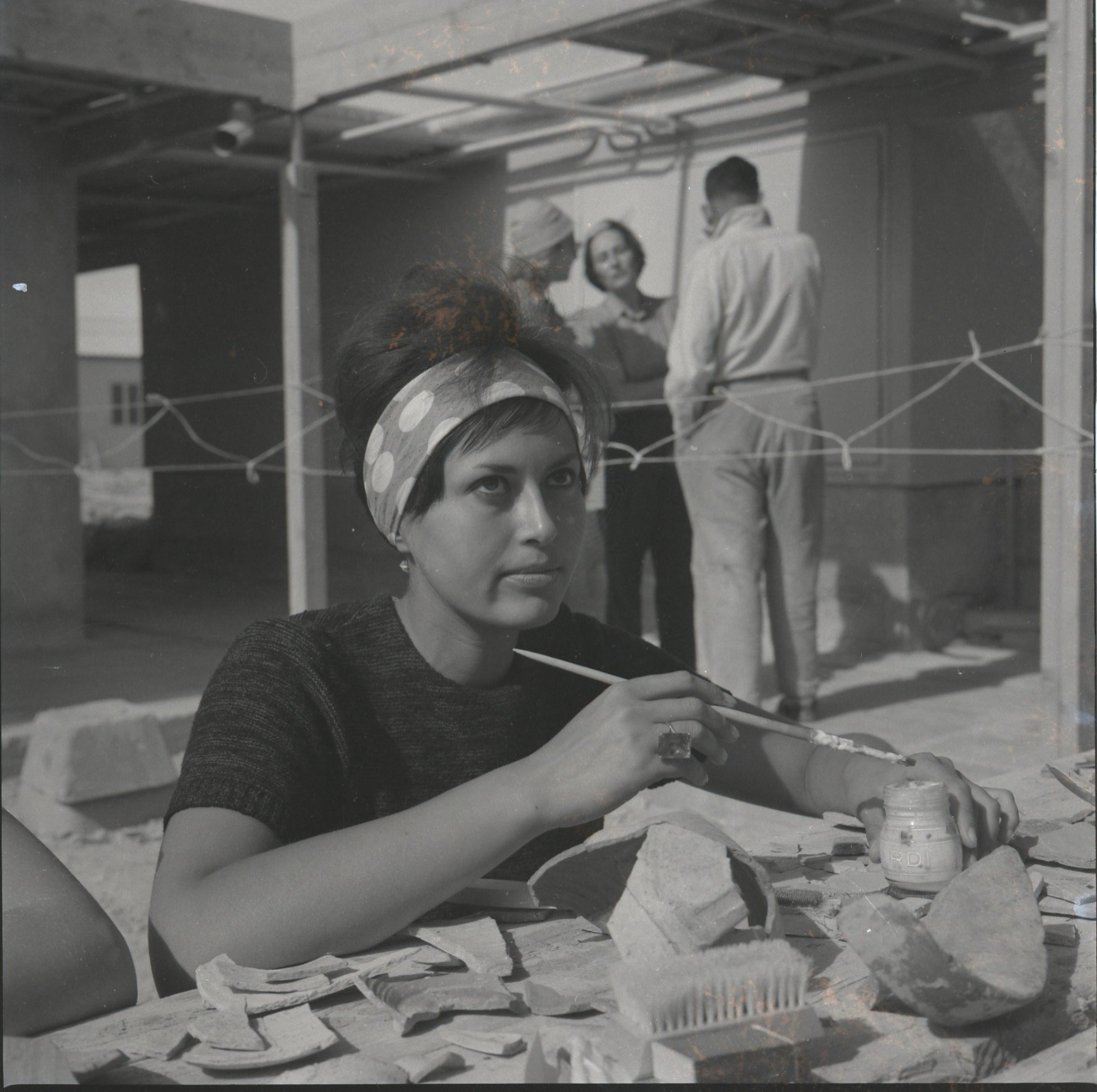
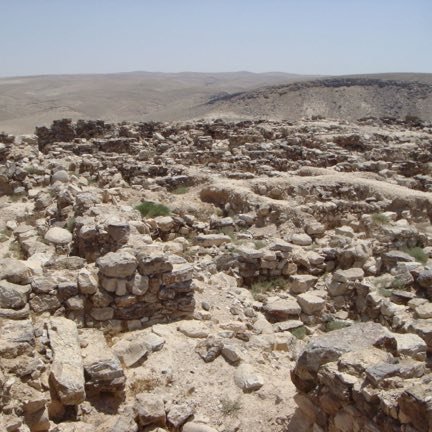
Tel Arad is an archaeological site in the Arad valley, about eight kilometers west of the city, at a height of five hundred and seventy-six meters. It sits on a road junction that was in use from the Early Bronze Age onward, and in the Iron Age it guarded the road that ran from Jerusalem and Hebron to Horvat Uza and the Dead Sea. The tel has two parts. The lower city is a Canaanite city from the Early Bronze Age, about five thousand years ago, whose area is about a hundred dunams and which was surrounded by a wall about one thousand two hundred meters long; it is one of the ancient cities in the Land of Israel that have planned streets, public and government buildings and a wall. At the top of the hill stands a fortress from the second Iron Age, the days of the Kingdom of Judah, and within it a temple was uncovered. Eighteen excavation seasons were carried out at the site: fourteen of them in the Canaanite city, under the direction of Ruth Amiran, in the expeditions of 1962 to 1966 and of 1971 to 1980; the excavations in the tel of the fortresses were directed mainly by Yohanan Aharoni. Today the site is a national park. Between 1962 and 1964 Aharoni uncovered in the fortress ninety-one ostraca, known as the Arad letters. Some of them are addressed to Elyashiv son of Ashiyahu, the official in charge of the stores of the fortress, and instruct him to hand over provisions. They mention "the House of YHWH", the mercenary soldiers called Kittim, and the names of the settlements Arad, Kinah, Ramot Negev, Maon, Ziph and Anim. In the fortress there were also found eighty-five Aramaic ostraca from the Persian period, and in them Jewish and Edomite names side by side.
Read onPerhaps this too

At the place itself the stamp also gets a postmark with the date.
Sources
- תל ערד — ויקיפדיה העברית Accessed 2026-08-14
- מכתבי ערד — ויקיפדיה העברית Accessed 2026-08-14
- Wikidata Q2063578 — coordenada Accessed 2026-08-14
- במדבר כא — ספריא (טקסט המסורה) Accessed 2026-08-14
- The Holy Scriptures According to the Masoretic Text — Jewish Publication Society, Philadelphia 1917 (public domain; source of the English gloss on the Tanach verses) Accessed 2026-08-14
- Библия. Синодальный перевод, 1876 (общественное достояние; источник русского перевода стихов Танаха) Accessed 2026-08-14
- La Santa Biblia — Reina-Valera, revisión de 1909 (dominio público; fuente de la glosa española de los versículos del Tanaj) Accessed 2026-08-14
- الكتاب المقدس — الترجمة العربية لسميث وفان دايك، بيروت ١٨٦٥ (ملك عام؛ مصدر الشرح العربي لآيات التناخ) Accessed 2026-08-14
Photographs
- Ovedc CC BY-SA 4.0
- Benno Rothenberg, אוסף הספרייה הלאומית CC BY 4.0
- אריאל מנור, PikiWiki CC BY 2.5
- Boris Carmi, אוסף הספרייה הלאומית CC BY 4.0
.jpg)


