
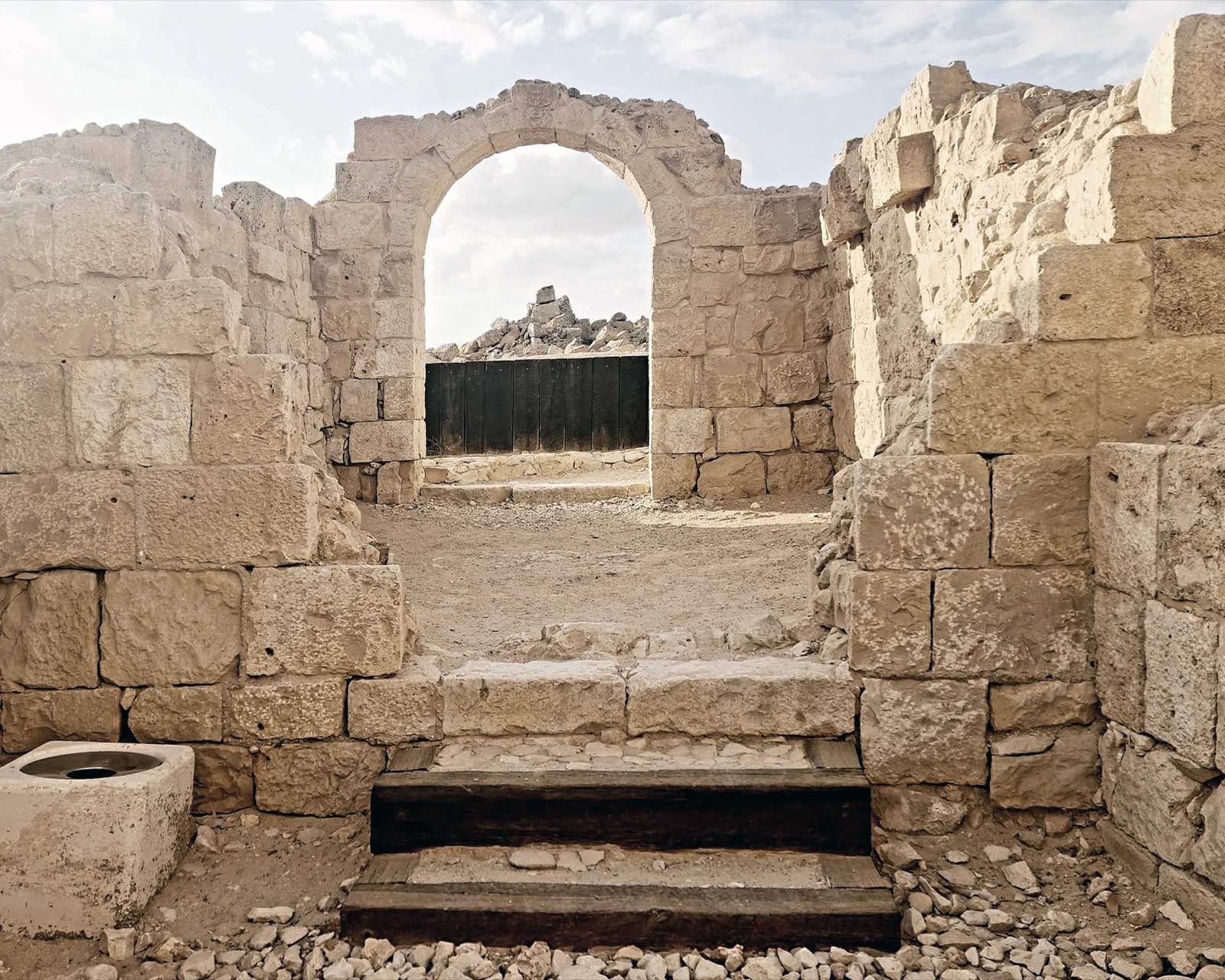
Avdat
Avdat, Oboda in Greek, was founded by the Nabataeans in the third century BCE as a station on the Incense Route — the road that carried balsam, myrrh and frankincense from southern Arabia to the ports of the Mediterranean
The story
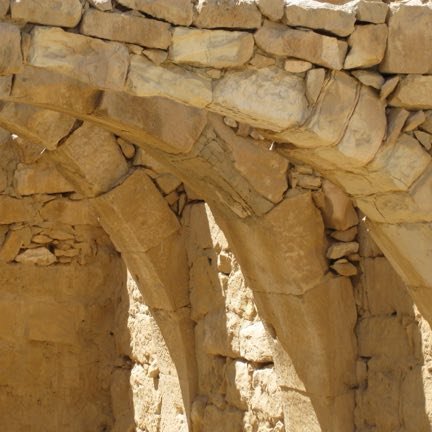
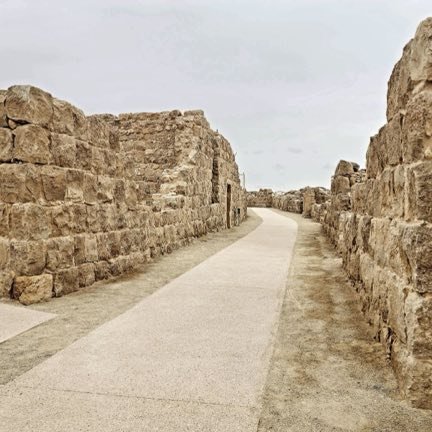
Avdat, Oboda in Greek, was founded by the Nabataeans in the third century BCE as a station on the Incense Route — the road that carried balsam, myrrh and frankincense from southern Arabia to the ports of the Mediterranean. Its name derives from the name of the Nabataean king Obodas, the only one among the kings of Nabatea who was considered a god after his death, and according to tradition his tomb stood in the city. In the year 106 CE the kingdom of Nabatea was annexed to the Roman Empire and the city continued to function; its peak came in the Byzantine period, when the inhabitants moved from trade to desert agriculture and built churches, terraces and water cisterns. On the acropolis stand today the remains of the Nabataean temple, a Christian basilica with a baptistery in it, a wine press, a watchtower, a bathhouse and burial chambers. The systematic excavations at the site began in 1958 on behalf of the Hebrew University, under the direction of Michael Avi-Yonah and Avraham Negev, and continued until 1961; a further round was conducted between 1975 and 1977. The site is a national park of 2,100 dunams, and in 2005 it was included in the UNESCO World Heritage list as one of the four cities of the Incense Route in the Negev.
Read onIn this place

Perhaps this too
At the place itself the stamp also gets a postmark with the date.
Sources
- עבדת — ויקיפדיה העברית (היסטוריה, חפירות אבי-יונה ונגב, שרידי האקרופוליס והגן הלאומי) Accessed 2026-08-14
- דרך הבשמים — ויקיפדיה העברית (הדרך, המטען והתקופות) Accessed 2026-08-14
- Incense Route – Desert Cities in the Negev — Wikipedia (a lista dos componentes inscritos em 2005: as quatro cidades, os fortes Moa, Kazra, Nekarot, Makhmal e Grafon, e os khans; criterios iii e v; 6.655 ha) Accessed 2026-08-14
- עבדת — OpenStreetMap (a coordenada do sitio arqueologico) Accessed 2026-08-14
Photographs
- ישראל פרקר / PikiWiki CC BY 2.5
